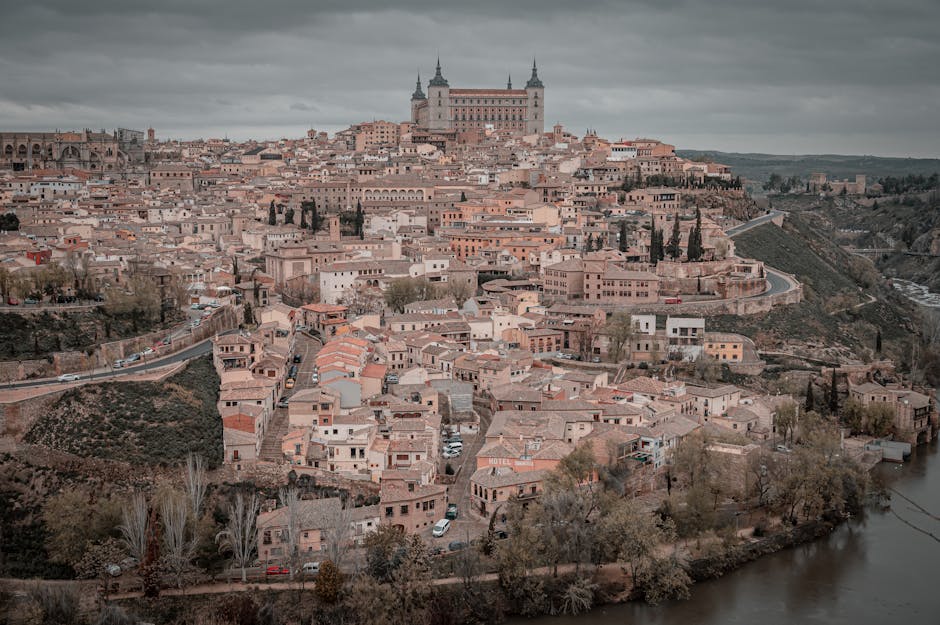



Introduction: A no-fuss route from the Cathedral to the Alcázar of Toledo
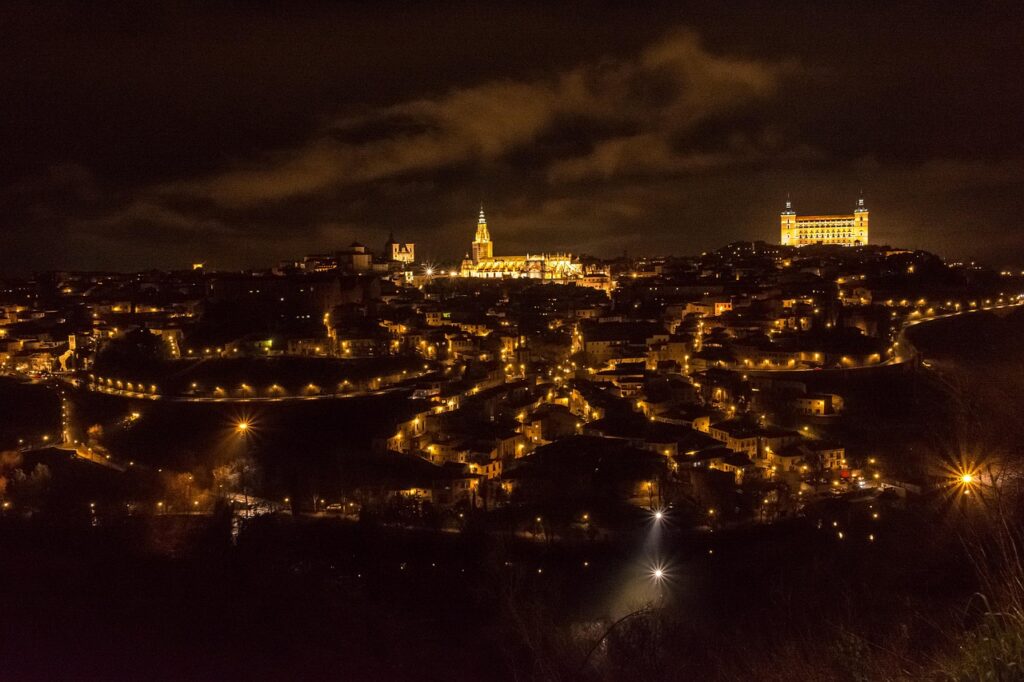
Toledo is a city to be savored slowly: every alley and every stone tells the story of a medieval Spain where Christian, Muslim and Jewish legacies live side by side. The axis linking the Catedral Primada Santa María de Toledo to the famed Alcázar of Toledo is one of the most iconic and frequently walked routes in the old town — and it’s also an area where tourist traps can crop up if you don’t take a few precautions. This route is designed to offer an immersive, realistic walk without unpleasant surprises: exact addresses, opening times, sample prices, genuine stop suggestions, tips to avoid queues, and recommendations for getting the best of Toledo on foot at your own pace.
The central stretch between the cathedral and the Alcázar concentrates most of Toledo’s must-sees: major monuments, small themed museums, viewpoints over the Tagus River, craft shops, traditional cafés and restaurants serving Manchego cuisine. Still, the lure of rushed tours, overly touristy restaurants and persistent hawkers is real. This guide doesn’t propose a whirlwind visit: it offers a no-fuss itinerary, with logical stages, less-crowded alternatives and tricks to save time while improving your experience.
You’ll find practical, verifiable information here: full addresses (when available), typical opening windows (noting seasonal variations when relevant), average prices in euros (marked “indicative price” if they may change) and a sensory description of each segment of the walk. Whether you have an hour between guided tours or three hours to wander, this route will help you make the most of your time without falling into common traps: lines to buy tickets, overpriced restaurants facing monuments, crowded viewpoints, or pointless detours that wear out your legs and patience.
Finally, this guide takes practical context into account: Toledo is a hilly city with uneven cobbles — good shoes, a water bottle and a paper map as backup can make a big difference. The addresses and opening times quoted reflect publicly available information at the time of writing; check official sites if you’re planning far ahead. Follow this step-by-step route for a crossing between the cathedral and the Alcázar that favors authenticity, safety and the joy of discovery.
1. Getting ready: practical info, tickets and opening times
A little preparation before you set out will help you avoid surprises. The visit naturally begins in front of the Catedral Primada Santa María de Toledo, address: Plaza del Ayuntamiento, s/n, 45002 Toledo, España. Typical opening hours (subject to seasonal changes):
- Opening hours: 10:00 – 18:30 (Tuesday to Sunday), closed or reduced hours for some religious holidays and Monday mornings. Check the notice on the day.
- Indicative price: €12.00 adult for general admission (audio guide not included). Reduced rates for students and seniors around €8.00. Some areas (treasury, sacristy) may have a supplement of €2–4.
- Tip: buy your tickets online via the cathedral’s official site or at the ticket office by the entrance to avoid the security-control line. Early morning coolness is the best time to enter before tour groups arrive.
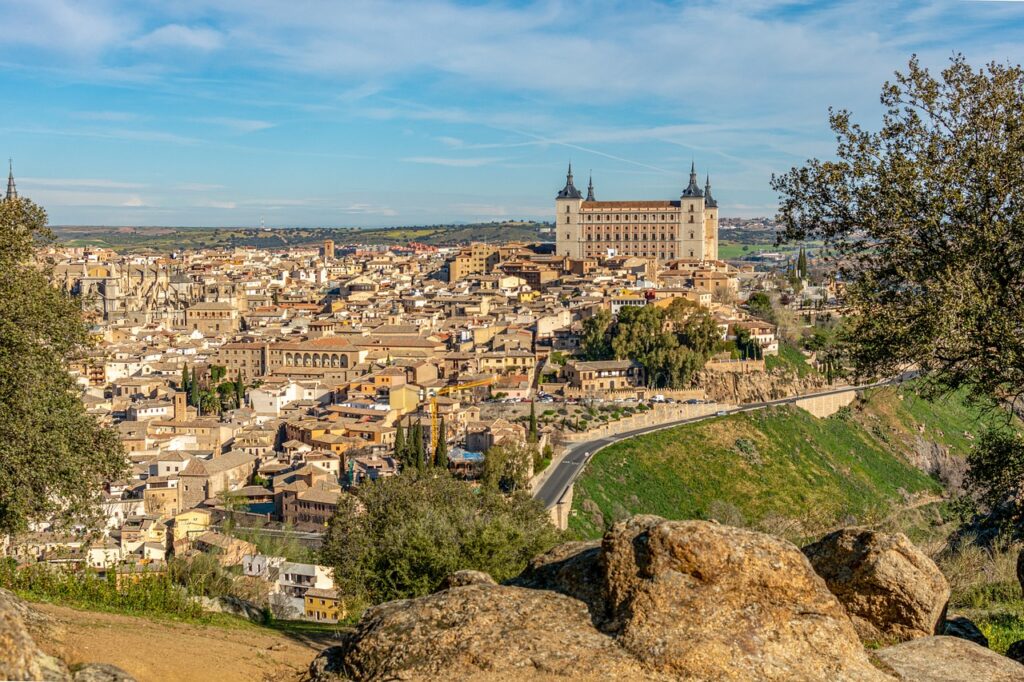
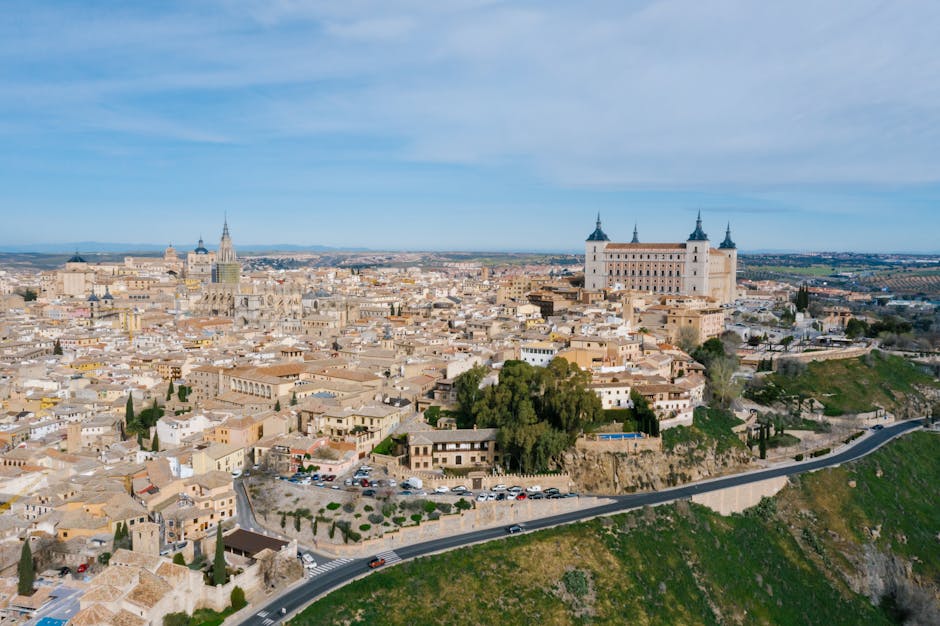
The Alcázar of Toledo dominates the main square and can be seen from several vantage points. Approximate address: Plaza de Zocodover / Plaza de la Constitución, s/n, 45001-45002 Toledo, España. It often houses the Army Museum or temporary exhibitions depending on the season.
- Opening hours: generally 10:00 – 18:00 (daily), with possible closures in the evening for events. Some indoor areas may close 30 minutes early.
- Indicative price: museum/alcázar entrance around €5.00 – €8.00. Prices vary for temporary exhibitions.
- Tip: reserve a time slot if you want to go up on the ramparts for the view; midday and late-afternoon are often the busiest.
One final logistical note: the area between the cathedral and the Alcázar is pedestrian and requires walking. Watch out for cobbles and steep slopes: plan comfortable shoes, water and an offline map or app if your mobile plan doesn’t include roaming. Public toilets and cafés are plentiful but often busy — spot one early. To avoid tourist traps, steer clear of restaurants that display multi-language menus with photos outside: they’re frequently pricier and of average quality.
2. Step-by-step route: cathedral to Alcázar (45–75 minutes at a leisurely pace)
This route offers a logical, scenic progression between the two main monuments, favoring historic streets, viewpoints and less-touristy cultural stops. Indicative duration: 45 to 75 minutes without indoor visits; allow 2 to 3 hours if you enter several museums and churches.
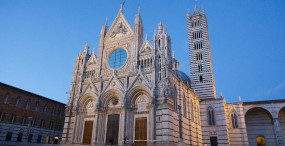
- Start: Catedral Primada Santa María de Toledo (Plaza del Ayuntamiento, s/n). After touring the nave and choir, exit through the main door onto Plaza del Ayuntamiento. Take a moment to admire the Gothic façade and the richly sculpted portals. From the square, head toward Calle Cardenal Cisneros (a small cobbled slope).
- First stop: Iglesia de Santo Tomé, Calle Niño de Guevara 3 (or Calle del Pozo Amargo). Address: Iglesia de Santo Tomé, Calle Niño de Guevara 3, 45002 Toledo. Opening hours: 10:00 – 13:30 / 16:00 – 18:00 (times may vary). Indicative price: €3.50 – €5.00 to see El Greco’s « The Burial of the Count of Orgaz. » This small church houses one of Toledo’s most emblematic works and space is often tight: favor off-peak hours (early morning or late afternoon).
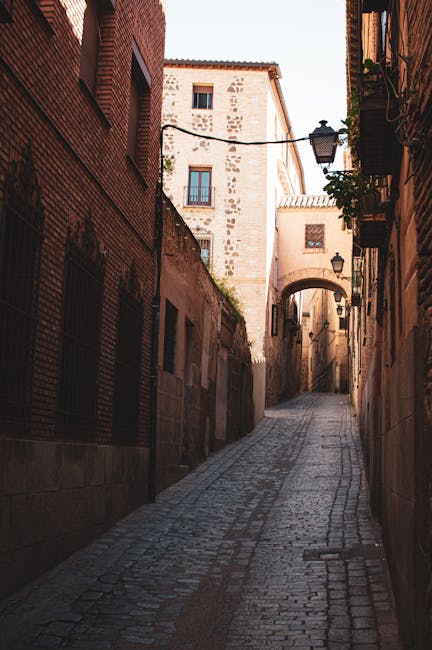
- Sneak through the Judería: continue into the Judería (the historic Jewish quarter) via Callejón de las Monjas and Calle del Comercio. Enjoy the narrow lanes, whitewashed façades and little craft shops. Stop briefly at a marzipan maker (recommended address: Casa Bendito, Calle Comercio, 1, a box of marzipan costs €3–10 depending on size).
- Viewpoint and side streets: climb up toward Plaza del Conde where a discreet viewpoint offers a panorama over the roofs. Skip the main crowded lookout and hunt for side terraces (such as the Terraza Mirador del Valle, if open, with drinks around €3–6).
- Final approach: Calle Comercio then Plaza Zocodover. Descend gently toward Plaza de Zocodover (address: Plaza Zocodover, 45001 Toledo) — the historic central square. Avoid terraces facing the square which tend to be pricier; opt for a café on a side street for better value (coffee €1.20 – €1.80).
- Arrival: Alcázar of Toledo. Enter from the square: if you have a time slot, show your ticket; otherwise go to the ticket office. Take time to explore the ramparts and the panoramic view over the Tagus. Note permanent exhibitions if you want to deepen your knowledge of military history.
This route emphasizes a natural walking flow, safety (avoids notoriously steep or slippery streets) and quality points of interest. At each stop, be considerate of local businesses and avoid obviously overpriced items. If you’re short on time, take the direct Calle de Santo Tomé, but know you’ll miss some of the most picturesque lanes.
3. Recommended stops and must-sees between the Cathedral and the Alcázar
Several spots deserve a pause to deepen your Toledo experience. Here’s a targeted selection with addresses, opening times and practical tips for each stop.
- Iglesia de Santo Tomé — Address: Calle Niño de Guevara 3, 45002 Toledo. Price: €3.50 – €5.00. Hours: often 10:00 – 13:30 / 16:00 – 18:00. Why go: to see El Greco’s « The Burial of the Count of Orgaz » in its setting. Tip: grab an audio guide or read the explanatory plaque outside; the room is small and lighting is controlled.
- Museo del Greco (House-Museum) — Address: Paseo del Tránsito, 3, 45002 Toledo. Indicative price: €3.00 – €5.00. Hours: 10:00 – 20:00 (variable). Why: to place El Greco within his Toledo context. Tip: if you’re an art lover, prioritize an early morning visit to avoid crowds.
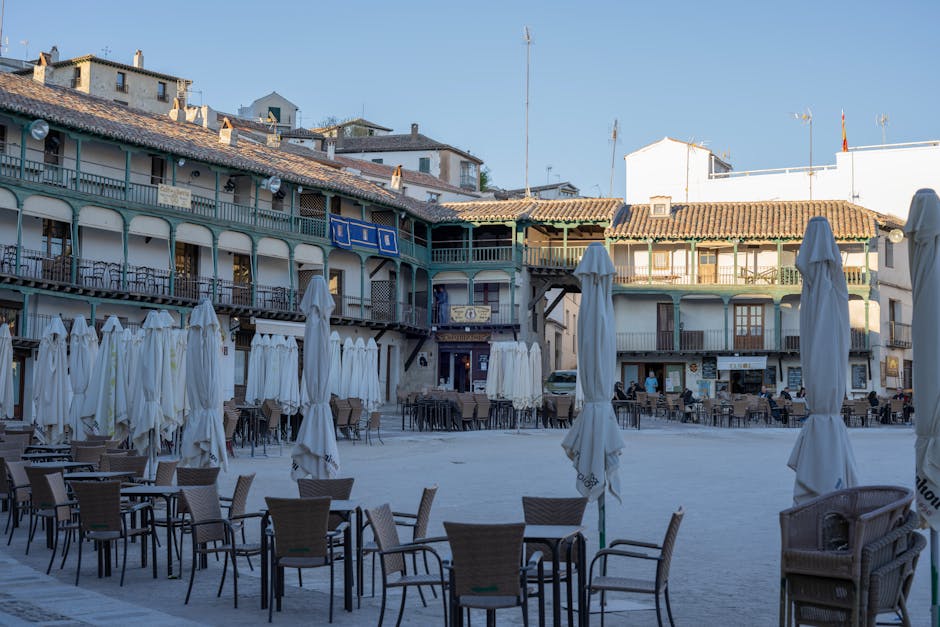
- Plaza de Zocodover — Address: Plaza de Zocodover, 45001 Toledo. Why: it’s the city’s social and historic heart. Tip: avoid restaurants on the square; side streets usually offer better quality and value.
- Puente de Alcántara and Tagus viewpoint — Walkable from the Alcázar if you want to extend your stroll; starting point address: Puente de Alcántara, s/n, 45002 Toledo. Free. Why: panoramic views of the Tagus bend and the fortified town. Tip: ideal in late afternoon for the best light.
- Craft shops and metalworkers — Recommended street: Calle Comercio and nearby lanes. Products: damascene jewelry (gold/silver inlay), ceramics, marzipan. Prices: variable (small damascene pendant from about €15; boxes of marzipan €3–10). Tip: bargain politely but wisely; ask where the product was made.
These stops are balanced to give you a mix of major sights and local experiences. Many sites have a shop or small annex exhibition: if you want to limit spending, set a budget before you start browsing. And above all, respect religious schedules — several churches close during mass.
4. Local tips to avoid traps: safety, dining and shopping
Toledo is generally safe for pedestrians, but tourist flows create opportunities for a few tricky practices. Here are concrete recommendations to minimize unpleasant surprises.
- Tickets and lines: buy cathedral tickets online as early as possible to avoid the double line (security check + ticket office). For the Alcázar, queues form early; aim for opening time (10:00) or late afternoon.
- Dining: avoid restaurants around Plaza Zocodover and in front of the cathedral that display multi-language photo menus. Recommendation: look for places frequented by locals (simple chairs and tablecloths, menu chalkboard). Indicative prices: tapa €1.80 – €3.50 each; main course (cordero manchego, partridge) €12 – €25. A locally recommended spot (value/quality): Taberna El Botero, Calle Hombre de Palo, 4 — average menu price €12-18.
- Buying crafts: for damascene work, ask for the label « hecho en Toledo » and prefer workshops to kiosks. Avoid impulse buys on the main square.
- Avoiding unofficial guides: book through recognized agencies or ask the tourist information point at Plaza de Zocodover for a list of accredited guides. Private guide price estimate: €80 – €120 for 2-3 hours (season-dependent).
- Accessibility and conditions: if walking is difficult for you, consider a short tourist train route (frequent stops but more touristy) or a taxi from the station. Streets are sometimes narrow; don’t expect car access between the cathedral and the Alcázar.
Finally, pay attention to religious schedules and public holidays: some spaces may be closed for services or private events. A good habit is to check each monument’s official site or the tourist information point at Plaza de Zocodover the morning of your visit. For significant purchases (jewelry, art), ask for a certificate of authenticity and keep receipts.
Conclusion: Make the most of a historic, authentic crossing
Walking the stretch between the cathedral and the Alcázar of Toledo is more than a simple transfer: it’s a mini historic expedition that reveals the city’s cultural spectrum. By following this no-fuss route you’ll minimize unpleasant surprises, save time and enjoy Toledo’s most authentic offerings: El Greco masterpieces, history-steeped alleys, unique artisan workshops and viewpoints that tell the city’s story with the Tagus at its feet. The addresses, hours and prices listed provide a reliable base for planning, but keep flexibility in mind: the city lives around services, temporary exhibitions and tourist seasons.
The key is modulation: adapt how long you linger depending on your interests — art, history, food or photography — and don’t hesitate to spend an extra minute in a shop or on a lesser-known viewpoint. Remember the practical tips: comfortable shoes, water, prepaid tickets for major sites, and a curious mindset that favors quality over quantity. Following these principles will turn a simple crossing into a memorable day, without gimmicks or regrets from hasty choices.
If you’d like me to turn this route into an interactive map, pick restaurants for different budgets, or build an accessible version of the walk (reduced mobility), tell me — I can provide a detailed plan with walking times, elevation and transport alternatives. Enjoy Toledo: take your time to look, breathe and listen to a city that has stood the test of centuries.