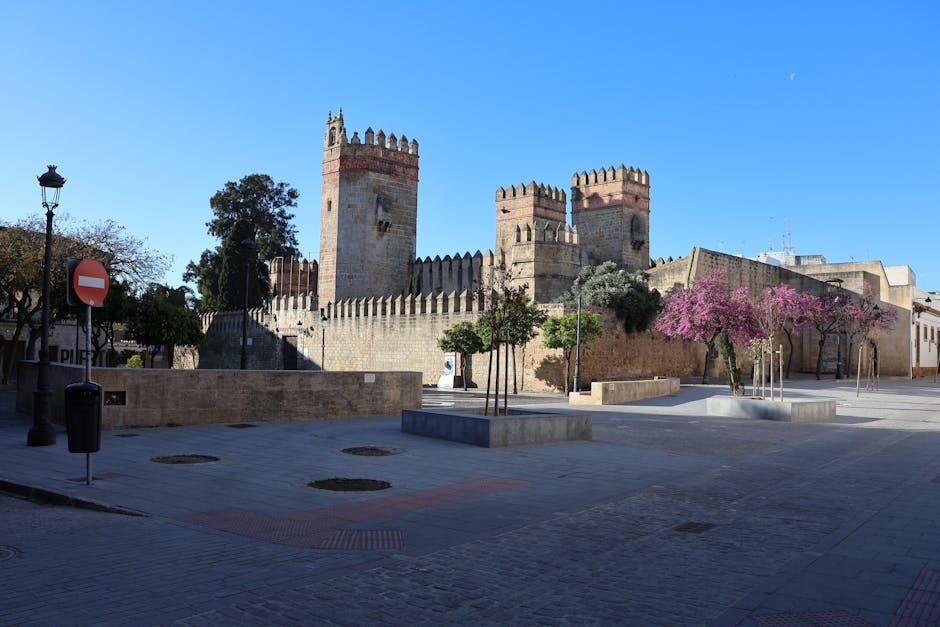



Introduction — Historic Trails & Viewpoints: Hiking the Soul of Toledo
Toledo, perched on a bend of the Tagus in Castilla-La Mancha, is a city where every stone tells a story. Walking through Toledo isn’t just following a route: it’s stepping into layers of history — Roman, Visigothic, Muslim, Jewish and Christian — frozen into narrow alleys, imposing monuments and sweeping valley views. This guide lays out an urban walking route to feel the soul of Toledo: routes, exact historic sites, precise addresses, prices, opening hours and local tips to get the most out of each stop.
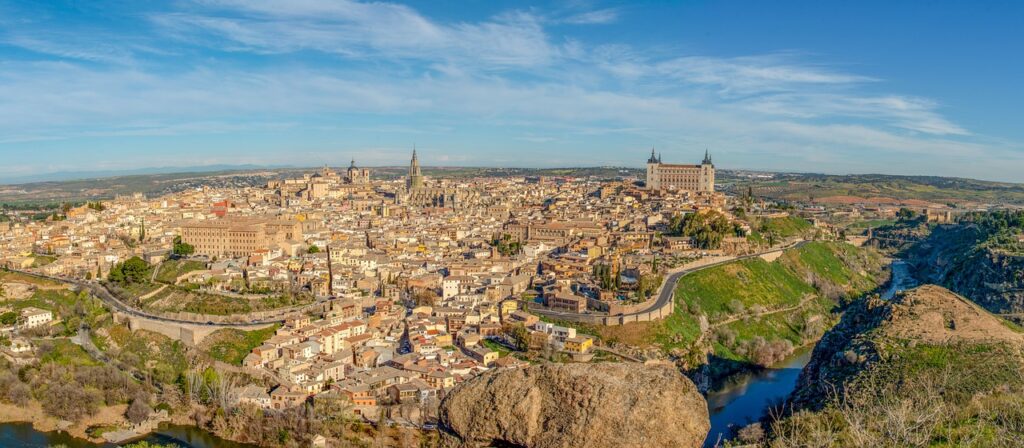
The city’s topography invites leisurely wandering. Hills, stairways and lookouts often force you to pause and watch the graceful blend of military and religious architecture. Landmarks like the Catedral Primada de Toledo and the Alcázar de Toledo dominate the skyline, while districts such as the Casco Histórico and the Judería encourage slow discovery, alley by alley. This guide gives you practical waypoints (exact addresses: squares, museums, monasteries), entry prices in euros, typical opening times, and immersive descriptions so you’ll know what to look for — from a finely carved mudejar door to the blazing panoramas from the Mirador del Valle.
We’ll also share local tips: the best hours to avoid the crowds, where to pick up a Manchego tasting or a glass of vermouth, how to make the most of early-morning light on the rooftops, and which parts of the city are best for a photography-focused walk. The following sections lead you through themed routes: historic lanes, must-see places of worship, viewpoints and bridges, and museums that tell the story. Each section includes practical details — full addresses, approximate hours and prices in euros — so you can plan on the ground with no surprises.
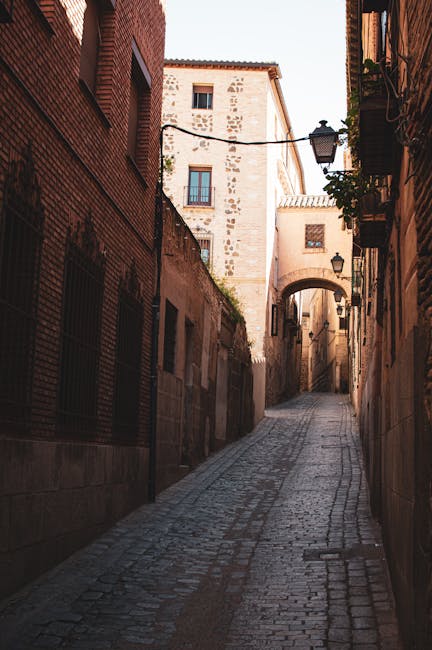
Lose yourself in the medieval maze: the Casco Histórico and the Judería
Start your walk in the Casco Histórico, Toledo’s medieval heart. To immerse yourself, head to Plaza de Zocodover (Plaza de Zocodover, 45001 Toledo), the central square where many streets converge. From there, slip into the lanes of the Judería, the old Jewish quarter, where houses line tight, often cobbled alleys dotted with artisan shops. The Synagogue of Santa María la Blanca (Calle de los Reyes Católicos, s/n, 45001 Toledo) is a must-see: it showcases mudejar style with its horseshoe arches and closely spaced columns. Indicative opening hours: 10:00–18:00 (seasonal variations). Entry fee roughly €3–5.
Along the way, look out for historical plaques carved into facades and small hidden squares like Plaza del Conde or Plaza de San Juan de los Reyes. The Monasterio de San Juan de los Reyes (Calle de los Reyes Católicos, 9, 45001 Toledo) deserves a stop: exact GPS address, typical hours 10:00–17:30, entry around €3–6. Here, the Gothic cloister and graceful vaults reflect the end of the Reconquest and the Catholic Monarchs’ desire to leave their mark on the city.
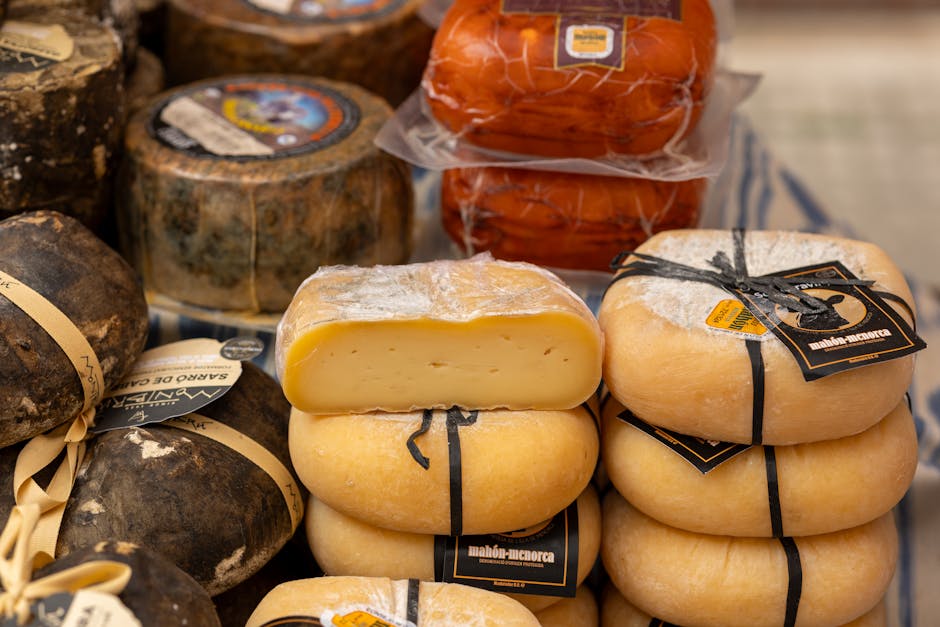
Practical tips: favor the morning (8:00–11:00) to wander these streets — the low light flatters the stone and the crowds are thinner. Wear walking shoes with good grip: the cobbles are uneven and there are frequent climbs. For a quick culinary fix, look for an artisan Toledo shop where you can try sliced Manchego (prices vary, small plate €3–6) and a glass of local vermouth. Muslim-style silversmiths and historical sword workshops often cluster around Calle del Comercio and Calle de la Trinidad.
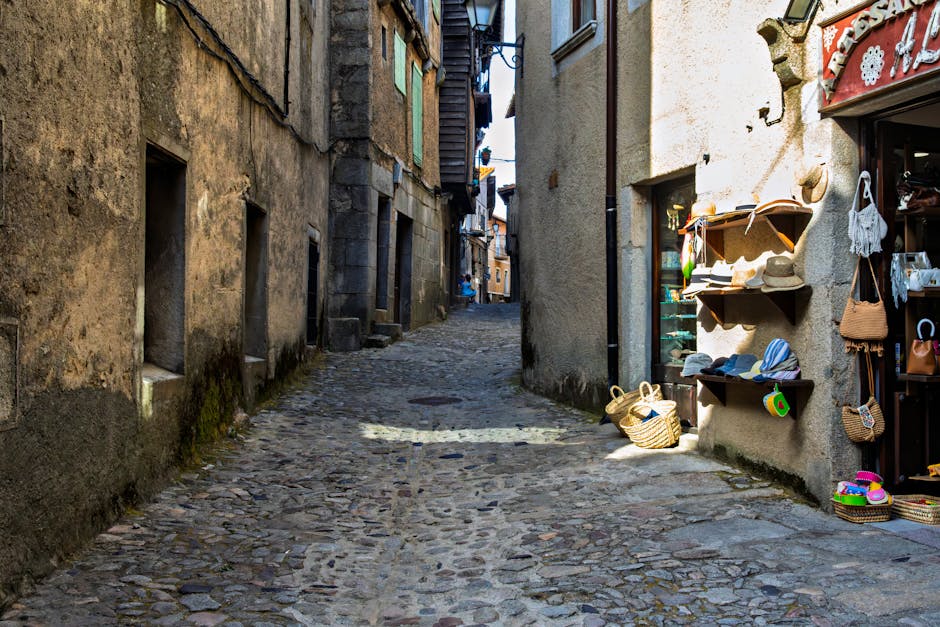
Major works: cathedral, churches and religious contemplation
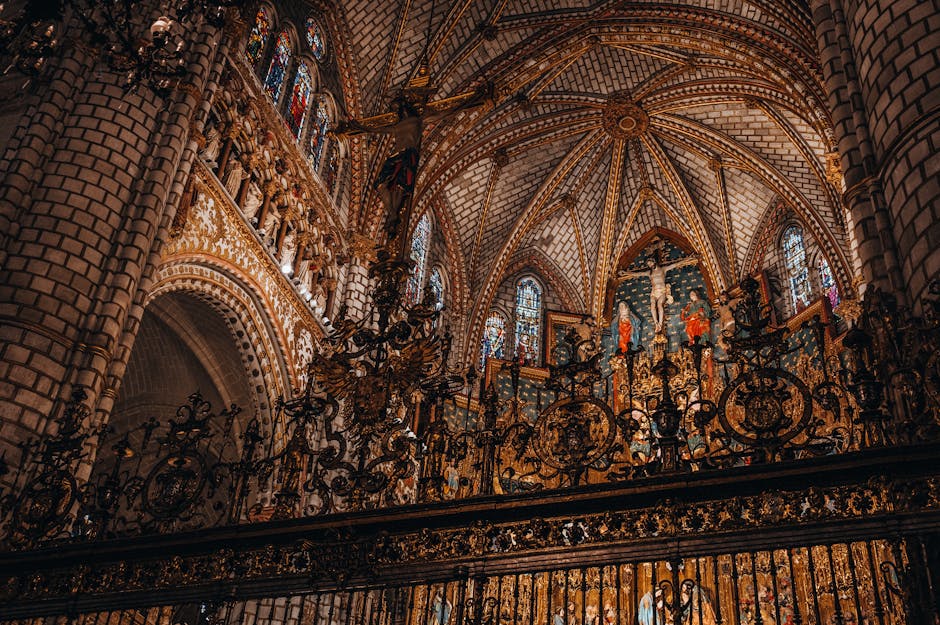
Religion has shaped Toledo’s visual identity; you can read it in its sacred buildings. The Catedral Primada de Toledo (Plaza del Ayuntamiento, s/n, 45002 Toledo) is the city’s anchor. Typical hours: 10:00–18:30 (may change during liturgical periods). Indicative entry fee: €12 for the full visit (may include access to the treasury and the museum). Inside, you’ll find a feast of sacred paintings, gilded altarpieces and stained glass; don’t miss the main altarpiece and the Baroque masterpiece of the Transparente chapel.
Nearby, the church of Santo Tomé (Calle Hombre de Palo, 7, 45002 Toledo) houses El Greco’s masterpiece: The Burial of the Count of Orgaz. Opening hours: 10:00–18:00 depending on the season. Entry around €3–5. The Museo del Greco (Paseo del Tránsito, 3, 45002 Toledo) immerses you in the painter’s work and atmosphere; hours 9:30–18:30, entrance roughly €3–5.
For a blend of military and religious architecture, visit the Iglesia de los Jesuitas or the many convents that sometimes open their cloisters to the public. The detailed features are worth the stop: twisted columns, mudejar tile floors and carved woodwork. Tip: if you want photos without visitors, plan your visit right after official opening — morning interior light brings out textures and gilding beautifully.
Lookouts, bridges and panoramas: seeing Toledo from the valley
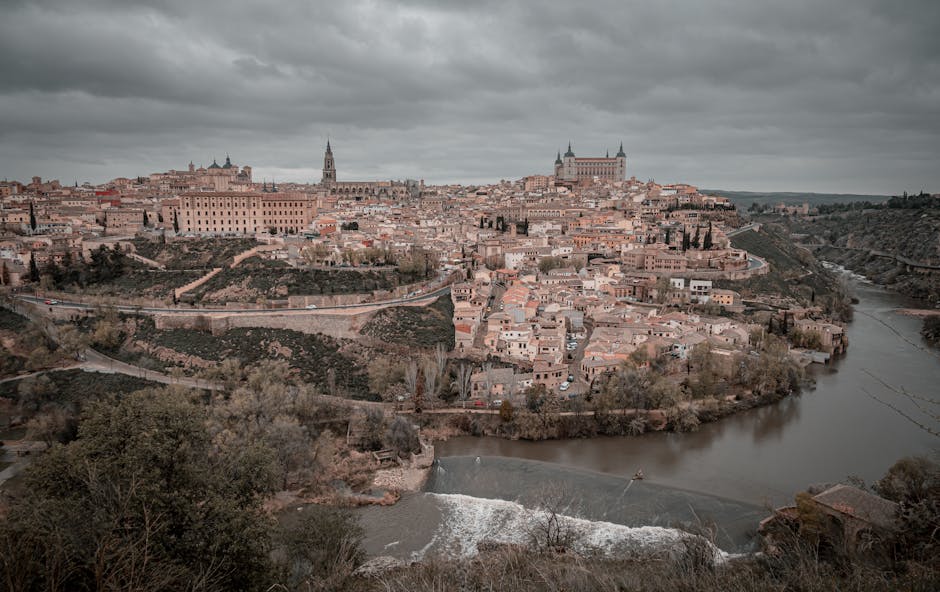
Toledo is as much meant to be seen as it is to be explored. The best vantage points reveal the Tagus’ curve, red-tiled roofs and the serrated skyline of bell towers. The Mirador del Valle (Paseo de los Álamos, s/n, 45004 Toledo) is the most famous lookout: reachable by car or by a hike from the center (allow 30–45 minutes on foot depending on pace). It’s ideal at sunset; access is free and open 24/7, although going at sunrise or dusk helps you avoid summer heat.
Head down toward the historic bridges for other perspectives: the Puente de San Martín (Paseo de la Vega, s/n, 45002 Toledo) frames the fortified town and its western towers spectacularly. Walking the bridge is free and it’s often less crowded late in the afternoon. The Puente de Alcántara (Puente de Alcántara, s/n) is another viewpoint that mixes Roman history with sweeping views over the Tagus.
Photography tips: bring a wide-angle lens to capture the city from the lookouts and a telephoto to isolate architectural details from a distance. If you’re planning a hike, combine Mirador del Valle with a loop down to the Puente de San Martín for a 2–4 hour walk depending on stops. Carry water, especially in summer; there aren’t always refill points between the lookouts.
Museums, workshops and local flavors: finish the hike with culture and food
After the exertion, culture and good food: Toledo hosts several modest but rich museums. Beyond the Museo del Greco and the Alcázar de Toledo — Museo del Ejército (Plaza de Zocodover, 2, 45001 Toledo; often open 10:00–20:00; indicative fee €5–8), explore small collections like the Museo Sefardí (Calle Samuel Levi, s/n, 45002 Toledo) to better understand the Andalusi Jewish presence. Times and prices can vary; check online or at the tourist office (Plaza de Zocodover) before your visit.
Toledo is also a foodie destination: look for traditional taverns around Calle Comercio and Calle del Pozo Amargo. Try local specialties like mazapán (almond pastries) — often sold in decorative boxes for €3–10 depending on size — and plates of Manchego and chorizo to share. For a sit-down meal, a menu del día (average €12–18) is common in many restaurants.
Final local tips: pick up a paper map at the tourist office if your phone battery dies; locate public restrooms (sometimes pay-to-use €0.50–1) and note that Spanish schedules often include an early-afternoon break. If you want a themed guided tour (mudejar architecture, El Greco, or military history), book in advance: English-speaking guides are common but fill up in high season.
Conclusion — Walk to understand Toledo: a city to read on foot
Toledo reveals itself to those who walk with curiosity and patience. Urban hiking here isn’t a mere string of monuments but a continuous reading of the human landscape: fortresses, temples, synagogues and workshops layered and in conversation. This guide offered concrete routes and stops — Plaza de Zocodover, Catedral Primada de Toledo, Monasterio de San Juan de los Reyes, Museo del Greco, Mirador del Valle, Puente de San Martín — with addresses, opening times and indicative prices to help you map your journey.
To get the most from Toledo, alternate walking time with moments of quiet contemplation. In the morning, gift yourself empty alleys and the cool light that emphasizes textures; in the afternoon, head to the lookouts to play with warm tones on the roofs; in the evening, treat yourself to a local table to round off the day. Remember to respect sacred places (service times, zones where photography is restricted) and talk to artisans: they often share valuable stories about Toledo’s silversmithing, sword-making and marquetry traditions.
Finally, think sustainably: favor walking, use local transport for longer links, and bring a reusable water bottle. Toledo is a living museum, still beating to the rhythm of its inhabitants; by walking slowly you’ll sense that tension between past and present. Safe travels — may every step in Toledo bring you closer to its deep history and unforgettable panoramas.