


Introduction
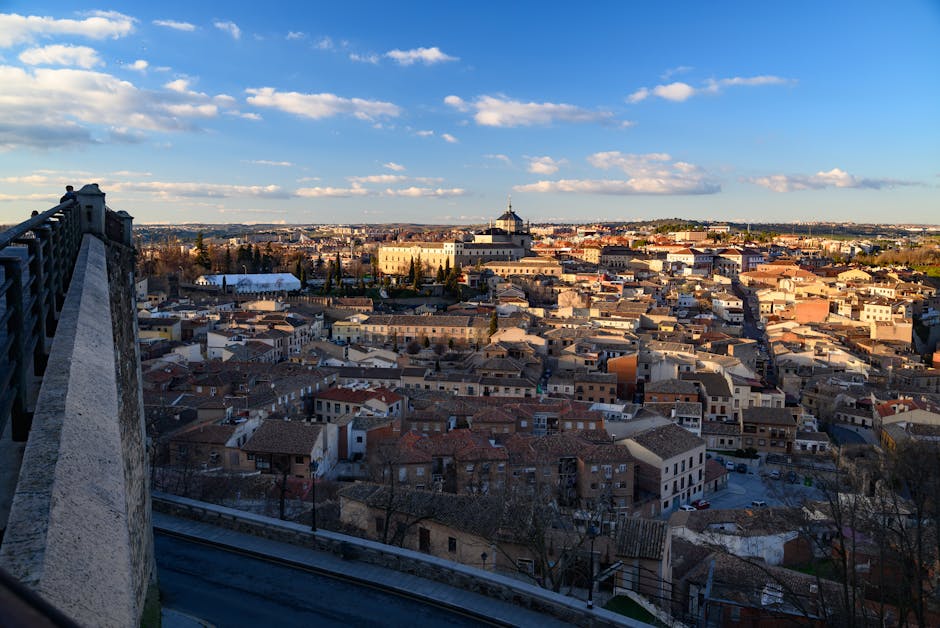
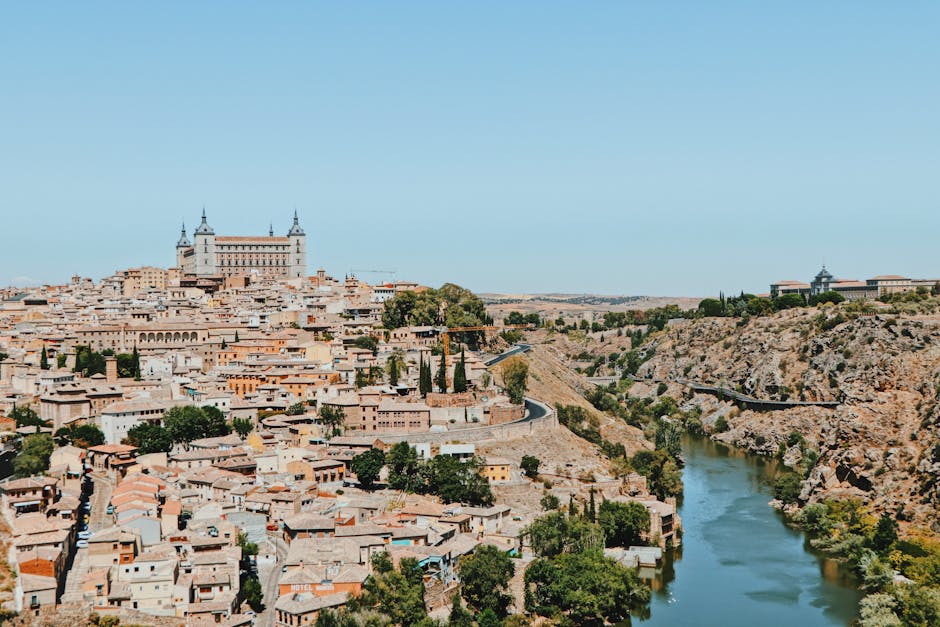
Perched on a bend of the Tagus River, Toledo packs centuries of history, architecture and spirituality into a compact, walkable old town. In two well-organized days you can cover the essentials: the majestic Catedral Primada de Toledo, the imposing Alcázar de Toledo, and several monasteries and convents that chart the city’s layered religious and cultural past. This guide is aimed at curious travelers who want a practical, realistic and immersive route. You’ll find exact addresses, typical opening hours, indicative prices in euros and down-to-earth tips to make the most of your visit without skimming over the highlights.
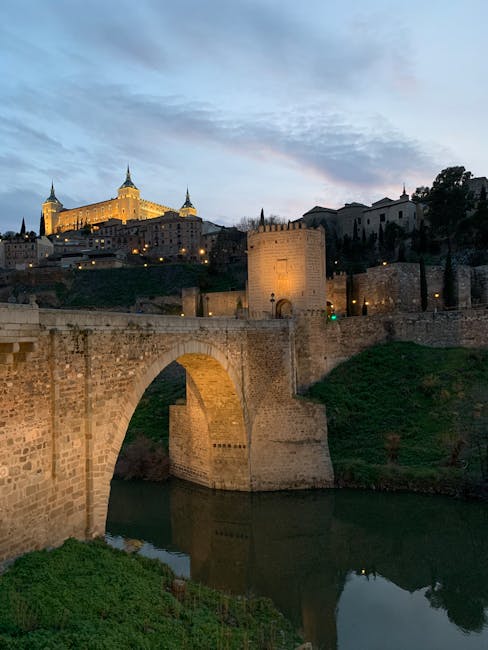
If you arrive from Madrid by train (about 33 minutes on the AVE or 30–40 minutes on regional trains from Madrid-Puerta de Atocha), you’ll usually disembark at Toledo, Paseo de la Rosa. From there the old town is reachable on foot via sloped streets, or by small local buses and taxis. Expect a lot of walking over these two days: bring comfortable shoes, a water bottle, an offline map or app and a camera. The medieval lanes are cobbled and climbs around the walls can be steep, but every corner reveals spectacular views of the river and the city’s towers.
This practical overview combines useful information with suggested routes: typical monument opening hours, indicative entrance fees (these can change with the season or special exhibitions), and local recommendations — the best times to avoid crowds, where to taste traditional mazapán, and how to access audio guides. Descriptions aim to convey atmosphere: the golden gleam of the cathedral altarpieces, the solid mass and square silhouette of the Alcázar, and the hush of monastery cloisters where time seems to stand still.
Before you go, check official monument websites or call ahead: hours vary between high and low season, and some guided tours require reservations. We include exact addresses and estimated prices in euros (EUR) as well as common time windows for 2026. Consider a combined-ticket if you plan to visit multiple sites, and check in with the local tourist office (Oficina de Turismo de Toledo, Plaza del Ayuntamiento, s/n) for tips and short-term passes. Finally, respect conservation rules (photography may be limited in some rooms) and watch for restricted access signs (services, renovations, private events).
1. Day 1 — The Catedral Primada de Toledo and the historic heart
Dedicate your first day to Toledo’s spiritual and artistic core: the Catedral Primada de Toledo and its surroundings. Location, address and typical fees:
- Name : Catedral Primada de Toledo (Santa Iglesia Catedral Primada)
- Address : Plaza del Ayuntamiento, s/n, 45002 Toledo, España
- Typical opening hours : 10:00–18:30 (Monday–Saturday), 14:00–18:30 (Sunday and mass days). Closed for services at times; check before visiting.
- Indicative price : general admission around €10.00; reduced €5.00–6.00; audio guide €4.00–5.00; guided tours vary (roughly €12.00–€20.00 depending on the option).
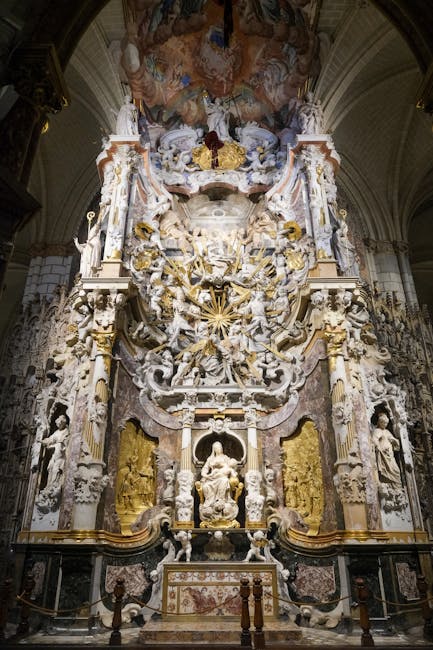
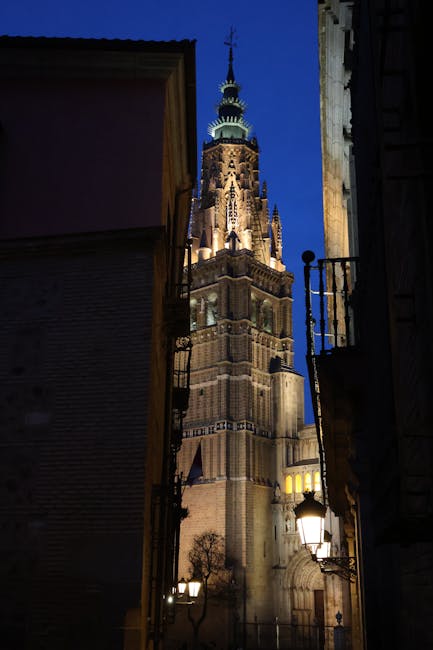
Your visit usually starts with the Gothic façade and its soaring tower, then moves into the nave where colored stained glass filters light across an outstanding collection of art. The treasury and the sacristy are must-sees: the sacristy houses paintings by masters like El Greco, Goya and Velázquez, alongside exquisite liturgical silver and metalwork. The main altarpiece, sculpted and gilded, commands attention — step closer to study its biblical scenes and polychrome details.
Practical tips:
- Arrive early : beat the queues and enjoy the soft morning light for photos (or book a priority slot if available).
- Access : main entrance is on Plaza del Ayuntamiento; if possible stop by the tourist office for a map or a combined ticket.
- Recommended time : 2 to 3 hours for the cathedral (including sacristy, treasury and chapels); add half an hour if you take a guided tour.
- Photography : allowed in some areas but sometimes restricted in the treasury — follow instructions and turn off flashes.
After the cathedral, wander through the adjacent quarter: Plaza de Zocodover, Toledo’s social hub since medieval times, is perfect for a coffee break. Nearby is the Iglesia de Santo Tomé (Calle de Santo Tomé, 1, 45002 Toledo) where you can admire The Burial of the Count of Orgaz, El Greco’s masterpiece; hours roughly 10:00–18:00, entrance €3.00–6.00.
Afternoon route: lose yourself in medieval lanes, climb toward the Mirador del Valle for panoramic views over the city and river; if you want a religious immersion, visit the Santa Iglesia Parroquial de los Jesuitas or the Monasterio de Santo Domingo el Antiguo (Calle Hombre de Palo, 7, 45002 Toledo; variable hours; free entry or suggested donation). The center is full of small religious foundations converted into museums or exhibition spaces, many of which stay open until late afternoon.
Evening: enjoy Castilian cuisine in a central tavern — recommended dishes include cocido toledano (a hearty stew) and venado (venison) in season. For sweet-toothed travelers, don’t miss artisanal mazapán from one of the historic patisseries near Plaza de Zocodover.
2. Day 2 — Alcázar de Toledo and the main monasteries
On day two focus on the Alcázar and the monasteries that round out Toledo’s religious and military story. Start early to make the most of quieter hours.
- Alcázar de Toledo (Plaza del Alcázar, s/n, 45001 Toledo) – the former palace-fortress dominating the city. Typical hours: 10:00–18:00; Indicative price: €5.00–€8.00 for the museum entry (Museo del Ejército), discounts for seniors and groups; €3.00 reduced for students/young people. Check special exhibitions that may affect the price.
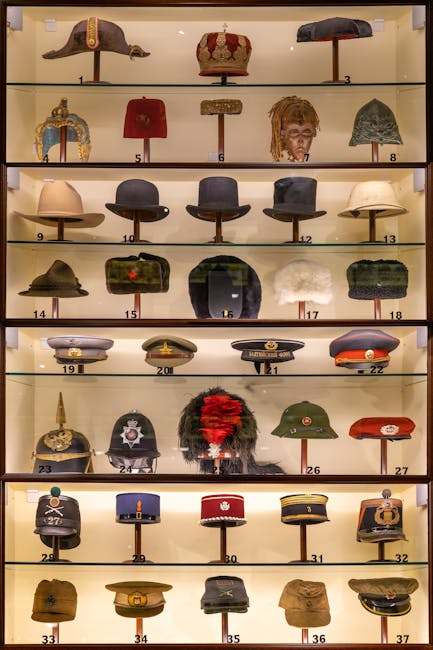
The Alcázar is a massive architectural block visible from almost anywhere in the upper town. Now home to museums and occasional state exhibitions, it offers a deep dive into military history and the sieges that shaped Toledo. Inside you’ll find collections of weapons, uniforms and historical reconstructions. Head up to the terraces for wide views of the city and the Tagus: the contrast between the building’s grey stone and Toledo’s ochre landscape is striking at sunrise or sunset.
After the Alcázar, spend the morning and afternoon visiting a few notable monasteries within walking distance:
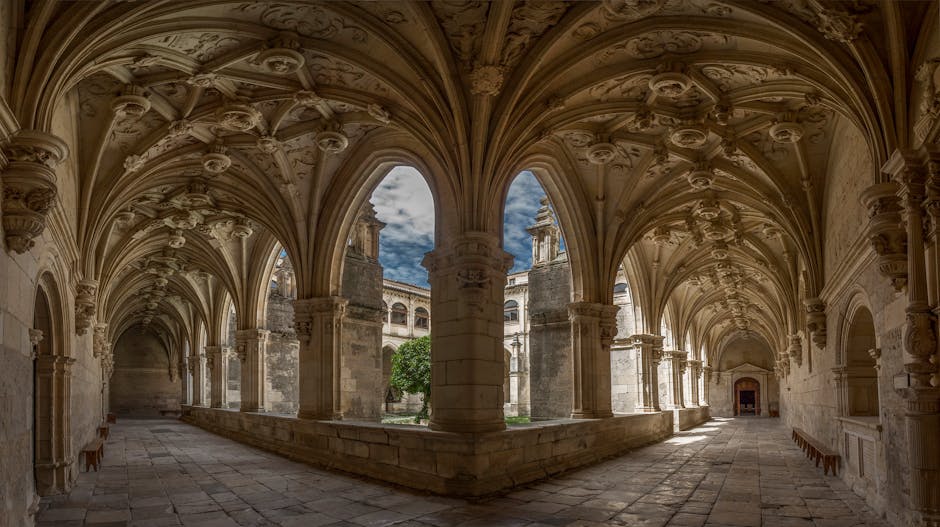
- Monasterio de San Juan de los Reyes — Calle de los Reyes Católicos, 2, 45002 Toledo. Typical hours: 10:00–17:30; Indicative price: €3.00–€4.50. This Franciscan foundation, built by the Catholic Monarchs in an Isabella Gothic style, features a cloister with delicate filigree motifs and a very contemplative atmosphere. The play of stone and sky creates beautiful shadow patterns in the cloister — ideal for photography without flash.
- Monasterio de San Clemente — Calle de San Clemente, 1, 45002 Toledo. Typical hours: 10:00–18:00; Indicative price: €6.00–€8.00. Notable for its historical layering (Roman palace, mosque, church and convent), San Clemente preserves furnished rooms and a monastic museum that explains convent life through the centuries.
- Convento de Santo Domingo el Antiguo — Calle Hombre de Palo, 7, 45002 Toledo. Variable hours; often free entry or donation suggested. An old abbey with frescoes and an intimate cloister, it is tied to Spain’s art history.
Descriptions and tips:
- San Juan de los Reyes : don’t miss the cloister and the upper gallery’s carved details; the Isabeline architecture blends Gothic elegance with Mudéjar ornamentation. The atmosphere is hush-like and perfect for contemplation. Photographers should favor morning light to capture arc and keystone details.
- San Clemente : this monastery-museum is fascinating for understanding cultural layers: Roman remains, Moorish elements and Christian additions form an archaeological patchwork. Exhibition rooms display liturgical garments, manuscripts and everyday monastic objects; audio guides are often available in several languages.
- Santo Domingo el Antiguo : a small spiritual stop — check hours because services can restrict access to certain areas.
Logistics and dining:
- Suggested timing : allow 3–4 hours for the Alcázar and another 3–4 hours for one or two monasteries depending on your pace.
- Transport : most sites are walkable from the historic center; taxis are available from Plaza de Zocodover if you want to avoid steep climbs.
- Meals : for lunch look for a terrace serving traditional dishes — recommended: carcamusas (a meat stew), manchego cheese boards, and of course the local sweet, mazapán.
Optional afternoon: if you still have energy, visit the Museo de Santa Cruz (Plaza del Museo, 2, 45002 Toledo; hours 10:00–18:00; entry around €5.00–€6.00) for complementary historical and artistic context, or stroll along the city walls for views over the Tagus valley.
Conclusion
In two days Toledo delivers an impressive density of cultural experiences: from the gilded splendor of the Catedral Primada de Toledo to the massive forms of the Alcázar de Toledo, and the meditative silence of cloisters like those at the Monasterio de San Juan de los Reyes and the historical layering you can sense at the Monasterio de San Clemente. This guide gives you a structured itinerary to balance iconic monuments, religious immersion and charming off-the-beaten-path discoveries. It’s realistic — factoring in walking times, possible queues and meal breaks — while staying flexible: Toledo rewards spontaneous strolls that often reveal the best finds (an artisanal mazapán shop, a tucked-away chapel, a quiet viewpoint with few visitors).
Practical reminders :
- Always check official opening times before you go: the hours in this guide are common references but not contractual.
- Book ahead if you travel in high season (spring, summer and public holidays), especially for the cathedral and the Alcázar.
- Carry some cash: small churches and shops often prefer cash for donations or souvenir purchases.
- Budget about €10–15 per monument on average if you want audio guides and temporary exhibitions; many entrances are free or discounted for students, seniors and residents.
Finally, give yourself time to savor local life: an evening walk through Toledo’s lit streets, a glass of La Mancha wine and a story told by a local guide will enrich your understanding of the city as much as the monuments themselves. Toledo is experienced with your eyes, ears and palate — and after these two days you’ll leave with images and memories of a place where Christian, Jewish and Muslim cultures helped shape a unique identity.