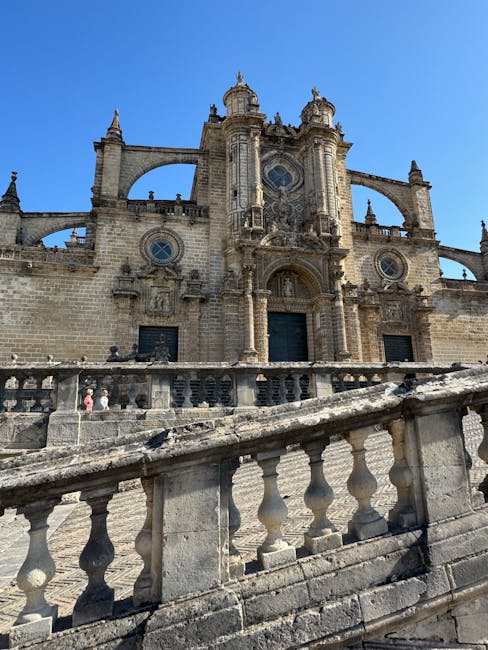



Introduction: Understanding Toledo’s monasteries — a journey through stone, prayer and memory
Toledo, perched above the Tagus, is often described as a mirror of medieval Spain: a cityscape of winding lanes, fortified walls, converted mosques and Gothic churches. At the heart of this city, monasteries play a key role—not just as places of worship, but as guardians of art, archives and cultural traditions. To understand Toledo’s monasteries is to see how spirituality, politics and daily life have intertwined from the Middle Ages to the present day. This article lays out five practical steps to grasp their religious and cultural functions, with hands-on information for each site: exact addresses, opening hours and entrance fees—essential details for anyone planning to visit or study these places.
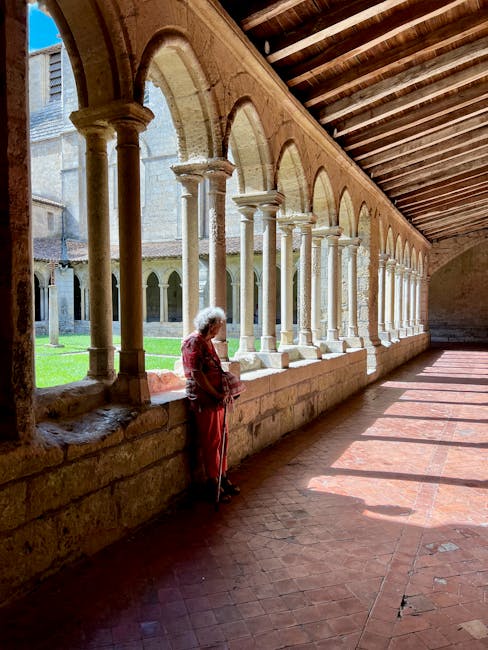
Toledo’s monastic houses are laboratories of memory. They preserve rare libraries, Baroque altarpieces, Mudejar cloisters and chapels that bear traces of many religious orders—Benedictines, Franciscans, Poor Clares, Dominicans and other local communities. Walking their quiet corridors, you’ll see how architecture answered spiritual needs: austere cells, chapter houses for governance, communal kitchens and enclosed gardens for meditation. But their role went beyond liturgy: they were shelters for the poor, improvised hospitals in wartime, and sometimes centers of power where alliances and inheritances were negotiated.
This five-step guide takes you on a selective route through some of Toledo’s most emblematic monasteries—complete with precise addresses, opening times and prices in euros so you can plan a real visit. Each step offers a different perspective: architectural history, social and medical roles, art collections, daily life of the monks and nuns, and finally how these places feature today in cultural tourism and heritage research. You’ll also find local tips to optimize your visit: when to come to avoid crowds, architectural details not to miss, and how to combine several sites in a half-day.
Before you begin, a practical warning: many monasteries remain active religious houses. Service times can change and some areas may be closed to the public to protect community life. The prices quoted were accurate at the time of writing; check official sites or local tourist offices for immediate updates. With this preparation, you’ll be ready to read Toledo’s stones and objects like a history book: page by page, cloister by cloister.
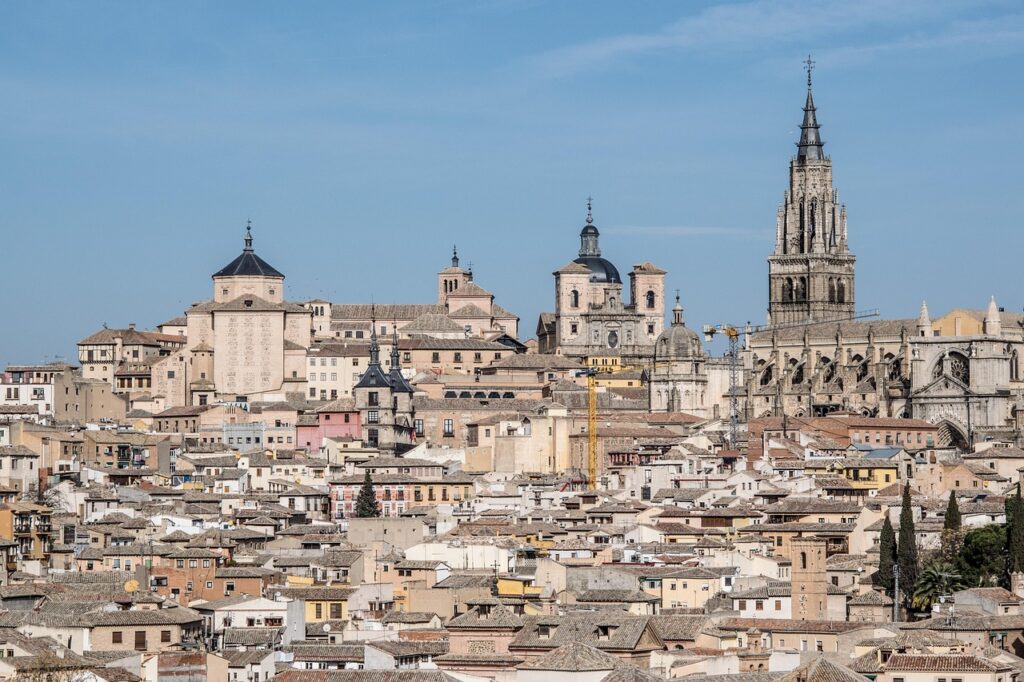
1. Monastery of San Juan de los Reyes — grasping royal symbolism and late medieval architecture
The Monastery of San Juan de los Reyes (Monasterio de San Juan de los Reyes) is an essential starting point for understanding the link between royal power and religious life in Toledo. Located at Calle de San Juan de los Reyes, s/n, 45002 Toledo, Spain, this Franciscan convent founded by the Catholic Monarchs Isabella of Castile and Ferdinand of Aragon in 1477 is an architectural statement of the late Middle Ages. Its construction commemorated the victory at the Battle of Toro and aimed to create a dynastic and spiritual pantheon for the monarchy. The style is Isabelline Gothic, recognizable by intricate decorative elements and a restrained monumental feel.
Opening hours (subject to change): Monday to Sunday, 10:00–18:00 in high season (April to October), and 10:00–17:00 in low season (November to March). General admission: around €3.50–€4.00. Reduced rate (students, seniors): €2.00–€3.00. Some areas remain accessible during services, and combined tickets with nearby monuments are available.
Visitors will find a lesson in balance between religious function and displays of power: the cloister is decorated with chains (symbols of prisoners’ liberation after the battle), the vaults show refined ornamentation, and the main chapel houses a carved altarpiece. Take time to study the Isabelline details: cords, interlaces, vegetal motifs and royal coats of arms. Small annex rooms preserve relics and works that tell the story of the founders’ private devotion.
Local tips: arrive at opening time to avoid groups and enjoy the cloister’s silence. If you can, pair the visit with a walk to the Mirador del Valle for a strategic view of Toledo. Audioguides help with historical details; reading a short primer on the Catholic Monarchs beforehand will enrich the experience.
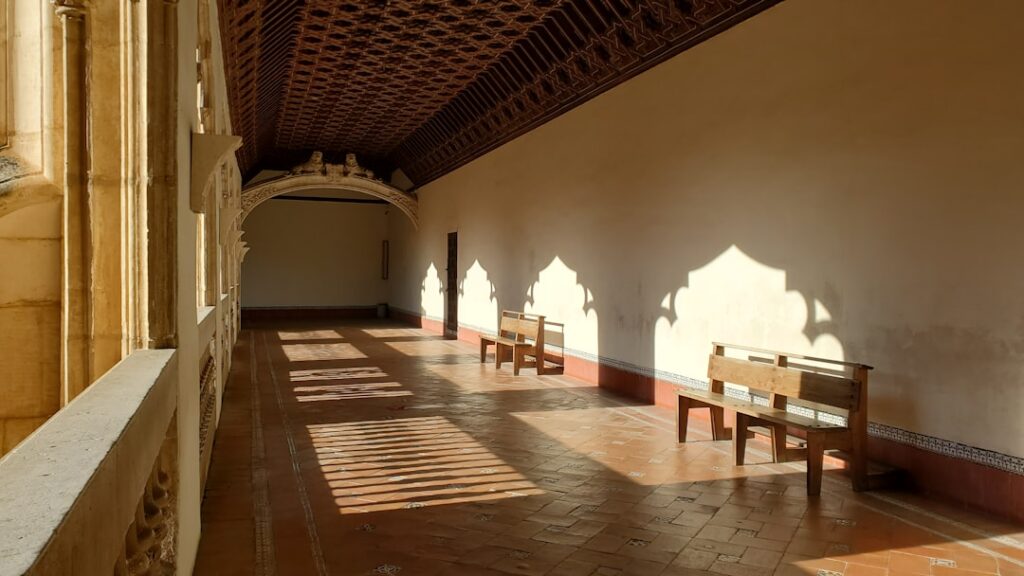
2. Convent of San Clemente — archives, nuns and documentary memory
The Convent of San Clemente (Convento de San Clemente) is unique in Toledo because it clearly illustrates the role of religious women in preserving written and artistic heritage. Address: Plaza de San Clemente, s/n, 45002 Toledo, Spain. Founded in the 12th century and reformed several times, it today houses a female religious community and a monastic museum that holds archival collections and liturgical objects. The visit offers insight into community management, family donations and the economic survival strategies the nuns employed.
Opening hours (estimates to verify): generally open to the public Tuesday to Sunday, 10:00–18:00; closed on Mondays. Fees: museum and cloister visit approximately €6.00 for a full ticket, €4.00 reduced. Some temporary exhibitions may require a separate ticket.
San Clemente is especially notable for its collection of manuscripts, dowry registers and letters of nobility. The preserved chapter houses and cells let you picture the nuns’ daily lives: workspaces for embroidery and copying, storage rooms for provisions, and enclosed gardens for growing medicinal plants. Visitors with an interest in archives will find original documents here that reveal marital agreements and inheritance strategies in medieval Castile.
Local tips: researchers can often request archive consultations by appointment through the convent’s administration. For a tourist visit, favor late afternoon when the light brings out the colors of the azulejos and woodwork. Respect the living character of the place: photography may be restricted and silence is requested in prayer areas.
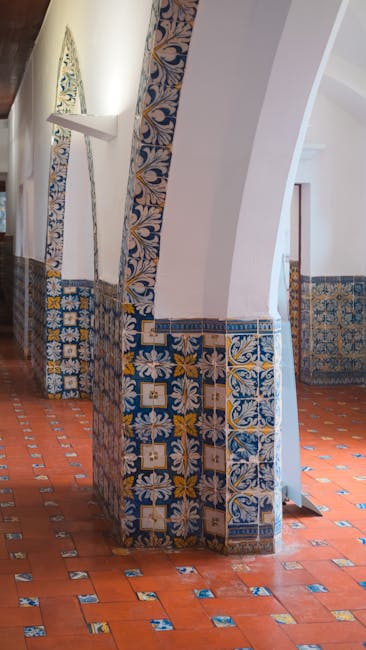
3. Monastery of Santo Domingo el Antiguo and Santa Cruz — sacred art and museum collections
The Monastery of Santo Domingo el Antiguo (Convento de Santo Domingo el Antiguo) and the Santa Cruz Museum make two concrete examples of how Toledo’s monasteries have been transformed into museum spaces, preserving paintings, altarpieces and liturgical objects. Santo Domingo el Antiguo’s address: Plaza de Santo Domingo el Antiguo, s/n, 45002 Toledo, Spain. Museo de Santa Cruz address: Plaza del Conde, 1, 45001 Toledo, Spain. Although different in their original functions, both sites illustrate the gradual shift from active religious spaces to museums open to the public.
Opening hours and prices (approx.): Convento de Santo Domingo el Antiguo: generally open 10:00–18:00; admission ~€3.00–€5.00. Museo de Santa Cruz: open Tuesday to Sunday 10:00–18:00; full ticket ~€5.00–€6.00, reduced €3.00–€4.00. The Museo de Santa Cruz, housed in a former hospital, college and convent, displays a rich collection of paintings (16th–17th centuries), sculptures and exhibitions on local history.
Reading these places shows how monasteries served as sanctuaries for art during conflicts and confiscations (for example, Mendizábal’s disentailment in the 19th century). Large canvases and altarpieces instructed a largely illiterate population: imagining a Mass with these images helps you understand the period’s visual pedagogy of faith. At Santo Domingo, pay attention to side chapels, the soft light through small stained glass windows, the woodwork and the polychrome work on the altarpieces. At the Museo de Santa Cruz, the displays highlight the links between religious art and Toledo’s civic life.
Local tips: buy combined tickets when available to save money and time. If you want detailed iconographic analysis, opt for a guided tour—many works carry symbols connected to confraternities or local noble families.
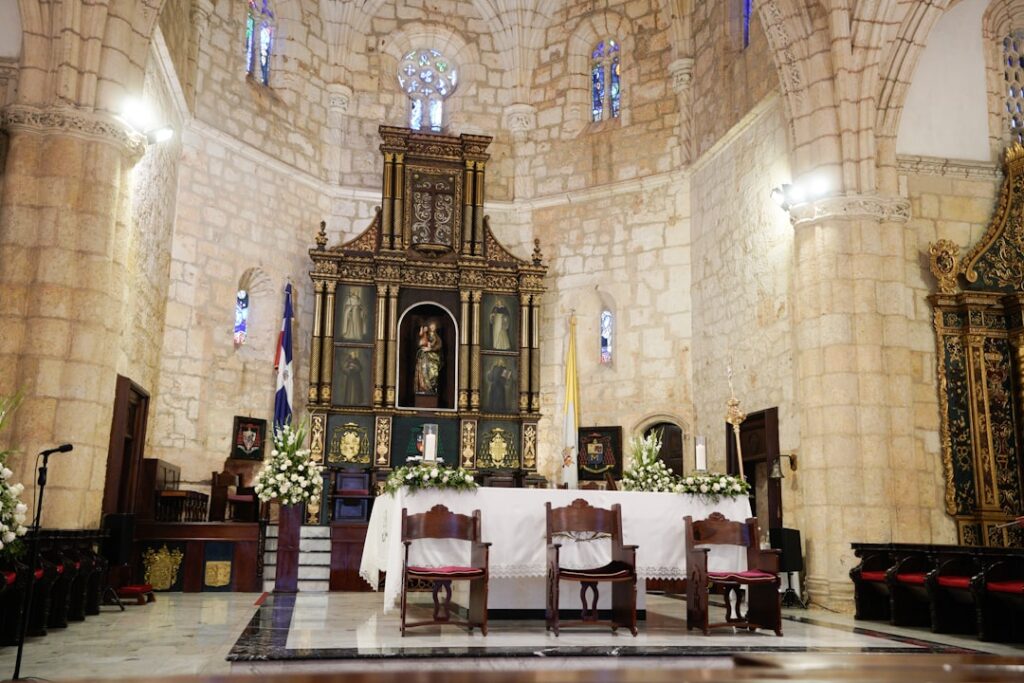
4. Enclosed convents and female religious life — respectful visits and social understanding
A significant portion of Toledo’s monastic landscape is made up of enclosed convents (conventos de clausura), where women’s religious life follows a strict rhythm of prayer, work and silence. Understanding these places requires a twofold approach: historical (social role, profile of the nuns, sources of income) and human (respecting the privacy of a living community). Visible examples in Toledo include the Convent of Santa Isabel de los Reyes (Calle de los Reyes Católicos, s/n, 45002 Toledo) and several small convents scattered through the old town.
Hours and access: many of these convents are open to the public only on special days or for limited areas (a cloister or a small chapel). Guided visits, if offered, usually last 30 to 60 minutes. Fees vary: some suggested contributions start at €3.00; others ask for a free donation. For formal visits, it’s best to check with the Toledo Tourist Office or the convents’ own websites.
Clausura convents were refuges for elite women and for those seeking social protection. They ran textile workshops, monastic pharmacies and sometimes schools for girls. These activities generated the income needed for the community’s material survival. The rules of enclosure also shaped specific architecture: minimal cells, parlors for authorized visitors, private libraries and enclosed medicinal and devotional gardens.
Local advice for visiting: strictly respect the house rules—appropriate dress, silence and frequent photo bans. If you want to learn more about monastic daily life, choose a guided tour with a local guide who can put the role of religious women in Toledo into context. Also, communal prayer (masses, choirs) can be an opportunity to attend a liturgy as a silent observer; check service times if you’d like to participate.
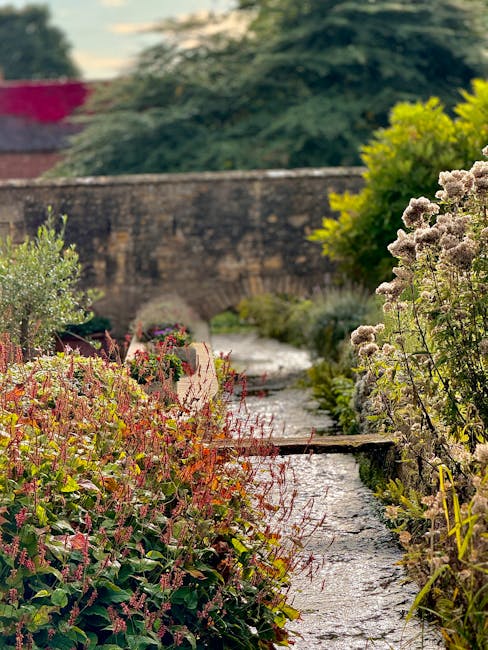
5. Conservation, tourism and the future: how monasteries stay alive in contemporary Toledo
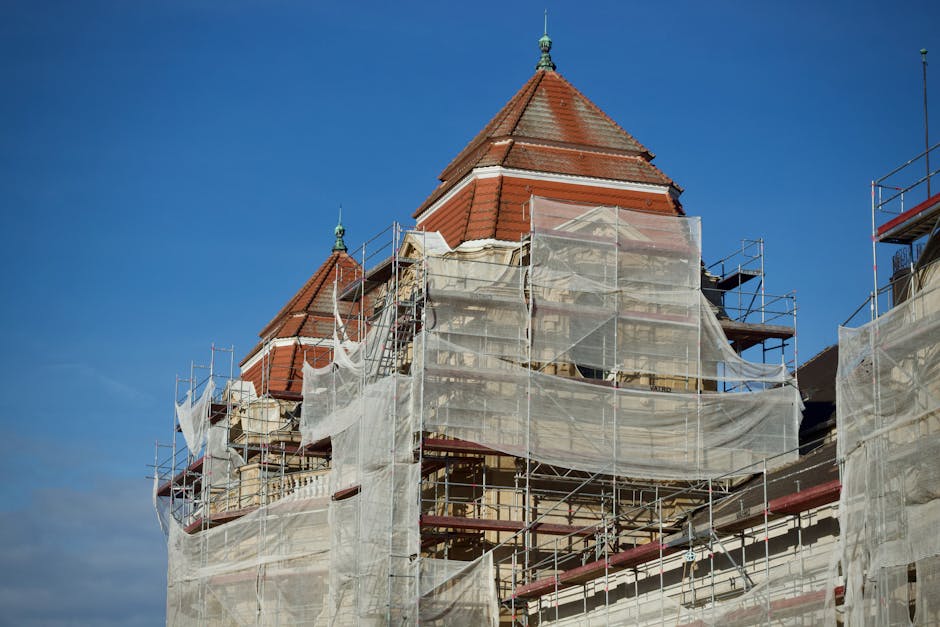
The fifth step is to look ahead: how do Toledo’s monasteries reconcile heritage preservation, spiritual needs and mass tourism? These sites face contemporary challenges: maintaining ancient structures, funding restorations, tourist pressure and preserving community life. Public and private initiatives coexist to ensure the material and cultural survival of these buildings.
Many solutions have emerged: controlled ticketing, limited-size guided visits, restorations funded by culture ministries, university partnerships for archive research, and mixed uses (museum + worship space). Local tourist offices often include themed routes (« Religious Toledo », « Monastery Trails ») that encourage pedestrian circuits less disruptive to historic neighborhoods. Entrance fees (€3–€6 on average for museumified monasteries) help fund conservation programs.
Practical and ethical tips for the modern visitor: plan your visit outside peak hours (early morning or late afternoon), favor local guides and official tours for in-depth interpretation, respect closed areas and photography rules, and consider making a direct donation if you value the site’s preservation. Mind your behavior: avoid eating and drinking inside buildings, keep noise levels low, and respect ongoing religious practices. If you’re a researcher, obtain the necessary permissions in advance for archive consultations or scientific photography.
The future of Toledo’s monasteries depends on a balance: highlighting their cultural role without turning them solely into tourist products. Religious communities, heritage authorities and visitors share responsibility in keeping these places as spaces of memory and life.
Practical summary tips
- Tickets: prioritize online purchases for busy sites (San Juan de los Reyes, Museo de Santa Cruz).
- Opening times: many sites open 10:00–18:00; check weekly closures (often Monday).
- Respect: dress appropriately, keep quiet and expect frequent photo restrictions in cloistered areas.
- Combinations: look for combined tickets to save money (e.g. San Juan + San Clemente + Museo de Santa Cruz).
- Transport: the old town is largely pedestrian; wear good shoes for cobbles.
Conclusion: reading Toledo through its monasteries — heritage, faith and commitment
Toledo’s monasteries are more than monuments: they are living archives, spiritual workshops and witnesses of a rich and complex religious and social history. Through the five steps proposed—the architectural and royal analysis (San Juan de los Reyes), documentary and female-focused study (San Clemente), the museumification of sacred art (Santo Domingo el Antiguo and Museo de Santa Cruz), understanding enclosed convents, and finally the contemporary challenge of conservation—you gain a comprehensive and nuanced view of their religious and cultural role.
Visiting these places means embracing the slow rhythm of cloisters, listening to silence, and reading the details of altarpieces, manuscripts and archives. It also means participating, as a mindful visitor, in the continued life of monuments that require attentive, respectful management. Modest entrance fees (generally €3–€6) and practical opening hours make them accessible while generating resources for conservation. Beyond the numbers, it’s the visitor’s attitude—curious, respectful and informed—that will shape the experience.
To go further: always check official sites for up-to-date hours and prices before you travel; contact local tourist offices for specialized guided tours; and if you’re a researcher, arrange archive access well in advance. And leave time simply to sit in a cloister, watch the light shift and reflect on how faith, art and community shaped Toledo. These quiet moments are often the most revealing and memorable.