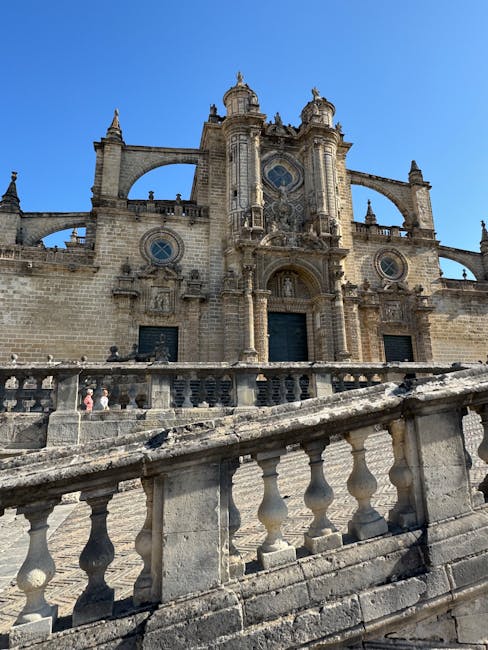



Introduction — A Deep Dive into Toledo Cathedral and Its Hidden Treasures
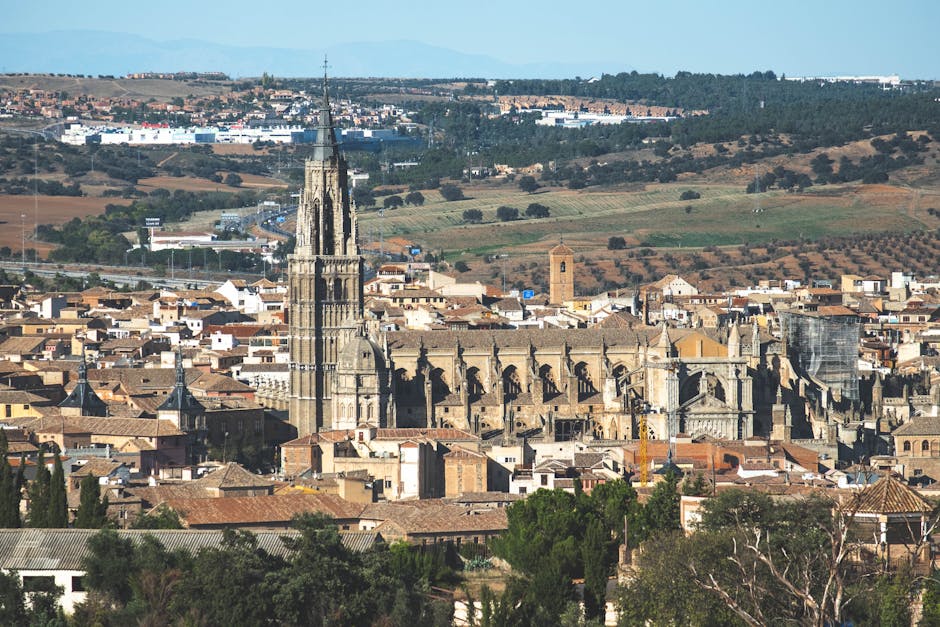
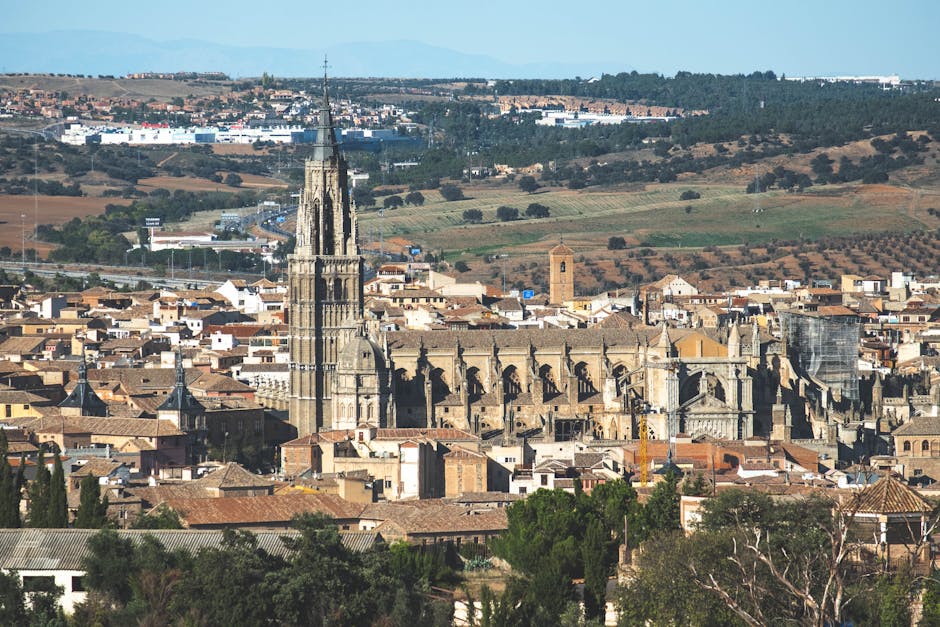
The Catedral Primada Santa María de Toledo is far more than just a religious building: it’s a living testament to a millennium of history, where Gothic art, Spanish Christian tradition and layers of cultural influence converge to shape Toledo. Located in the heart of the old town, the cathedral rises above cobbled alleys and Tagus River panoramas, offering visitors an experience that alternates between visual awe and archaeological discovery. In this in-depth guide, I’ll take you on a full, practical and immersive tour of the cathedral and its hidden treasures — chapels, tucked-away artworks, sacristy pieces and architectural details many visitors miss.
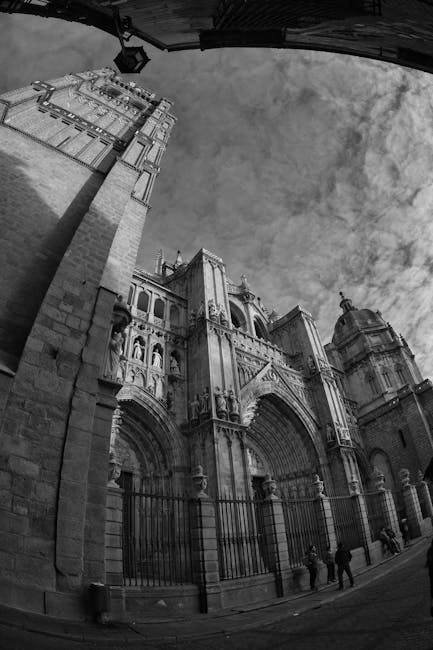
Beyond the practical info (addresses, opening hours, prices), you’ll find precise descriptions of spaces and works, local tips to make the most of your visit (best time slots, how to access rarer areas, photography rules), plus suggestions for extending your exploration around the cathedral: nearby museums, convents and walking routes. I’ve leaned on local sources and my own first-hand observation to highlight the “forgotten treasures” — those little details you can miss on a quick visit: the hidden altarpiece in a side chapel, a sacristy chest housing 16th-century censers, rarely displayed archives and engravings.
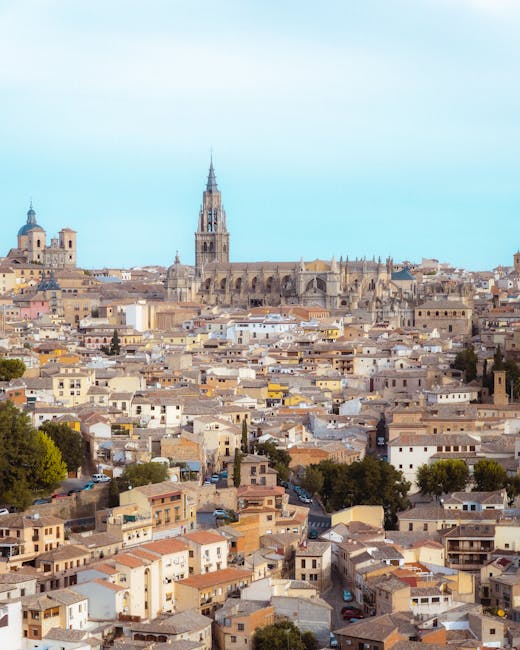
Toledo, a UNESCO World Heritage city, is a place where every stone has a story. The cathedral, officially named Catedral Primada Santa María de Toledo, is often the first chapter of that story. Its exact location is Plaza del Ayuntamiento, s/n, 45002 Toledo, Spain. The cathedral is run by a cathedral chapter that cares for a large artistic and liturgical treasury accessible to the public under specific conditions. Read the details below carefully to plan your visit, avoid queues, and—most importantly—spot those lesser-known works and spaces that can be worth the trip on their own.
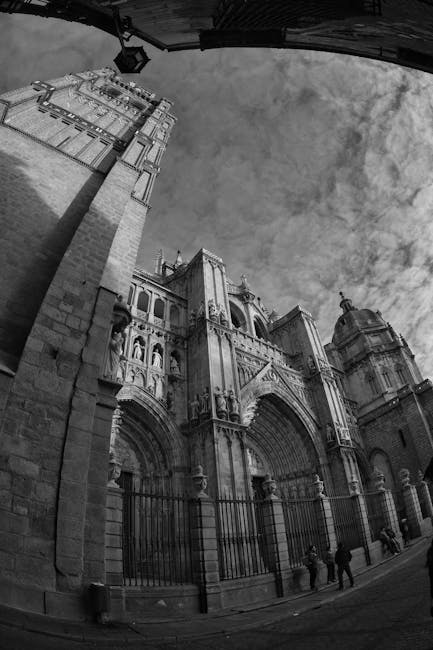
1) Welcome and General Visit: Practical Info, Hours and Prices
Before diving into the chapels and hidden elements, it’s essential to get the practical basics down. The official address is Plaza del Ayuntamiento, s/n, 45002 Toledo. Typical visiting hours are usually 10:00–18:30 in high season (April to October) and 10:00–17:00 in low season (November to March). These times can change for liturgical celebrations and official events, so it’s wise to check the cathedral’s official website or call ahead before you go.
Indicative prices (most recent information):
- General ticket: about €10 per adult (access to the cathedral, sacristy museum and main chapels).
- Reduced fare: around €5–€7 (students, seniors, groups under conditions — ID required).
- Access to the tower (when open): an extra €3–€5, sometimes included in a combined ticket.
- Official guided tours: roughly €20–€25 per person (Spanish or English, booking recommended).
- Free entry: children under 10 when accompanied, certain mass times and heritage days (varies).
Practical tips:
- Buy your ticket online to skip the line, especially between 11:00 and 15:00. On weekends and public holidays waits can exceed 45 minutes.
- There’s a modest dress code inside (shoulders covered, no very short shorts), particularly during services.
- Photography without flash is generally allowed in non-liturgical areas; flash and tripods are strictly prohibited.
- Allow at least 90 minutes for a basic visit, and about 2.5 hours for a thorough exploration including the sacristy, museum and tower.
2) Major Chapels and Must-See Works — Descriptions and Stories
Toledo Cathedral is essentially a museum of sacred art. Start with the Capilla Mayor, dominated by a monumental altarpiece carved by Rodrigo Alemán’s workshop and paintings including works attributed to Spanish and Flemish masters. The high altar is topped by an opulently gilded canopy and sculptures that narrate the life of the Virgin Mary. The choir’s acoustics are remarkable: if you can catch a choral concert here, it’s an unforgettable experience.
[[IMAGE:High altar Capilla Mayor inside Catedral Primada Santa María de Toledo]]
Among the side chapels, don’t miss:
- Chapel of the Presentation (Capilla de la Presentación): Renaissance decoration and an altarpiece attributed to Juan de Borgoña.
- Chapel of Saint John (Capilla de San Juan): 15th-century paintings and sculptures, often less crowded — great for quiet contemplation.
- Mozarabic Chapel (Capilla Mozárabe): a small chapel dedicated to Mozarabic rites, a reminder of Toledo’s historical religious tolerance.
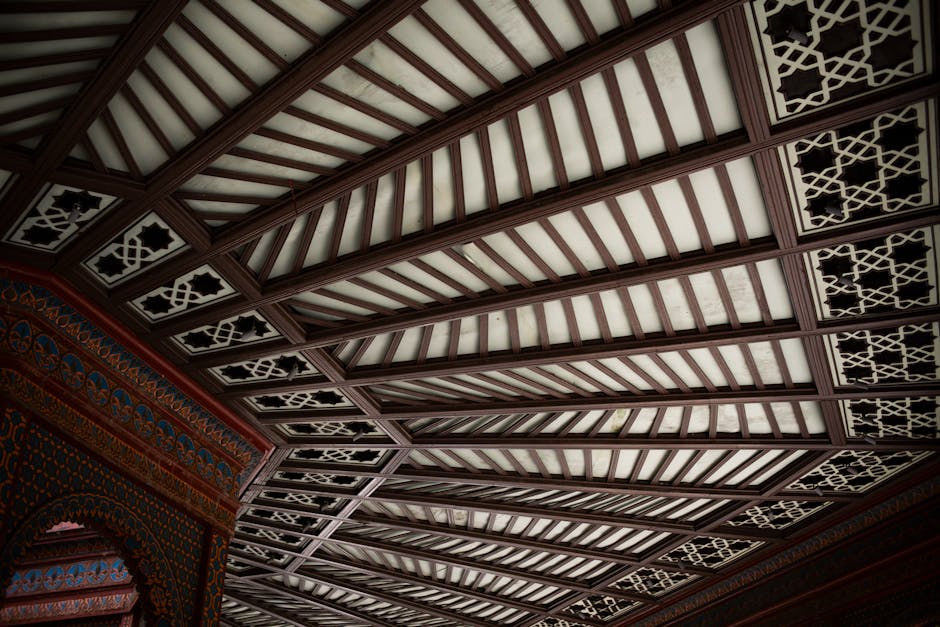
The famous Transparente — a one-of-a-kind Baroque masterpiece by Narciso Tomé (1729) — deserves special attention: it’s an optical and natural light marvel that illuminates the high altar via an opening in the ceiling and a dramatic sculptural ensemble. The morning light effects are particularly spectacular; plan an early visit if you want to photograph the phenomenon without using flash.

Tips: take a moment to read the explanatory plaques — many objects (reliquaries, censers, ciboria) bear Latin inscriptions or workshop marks that reveal their origin and donors. Treasure hunters seeking the “forgotten” spots should pay attention to the side aisles and stairways leading to secondary galleries — these areas often house paintings and sculptures omitted from tourist brochures.
3) The Sacristy, the Treasury and Rare Pieces: Museum, Manuscripts and Reliquaries
The sacristy of the Catedral Primada Santa María de Toledo is a key space for anyone wanting to see the best-preserved liturgical and artistic objects. Officially called the Sacristía Mayor, it sits within the cathedral complex and is included with the general ticket. The internal address is the same as the cathedral (Plaza del Ayuntamiento, s/n), but entry is through interior gates — follow the signage on site.
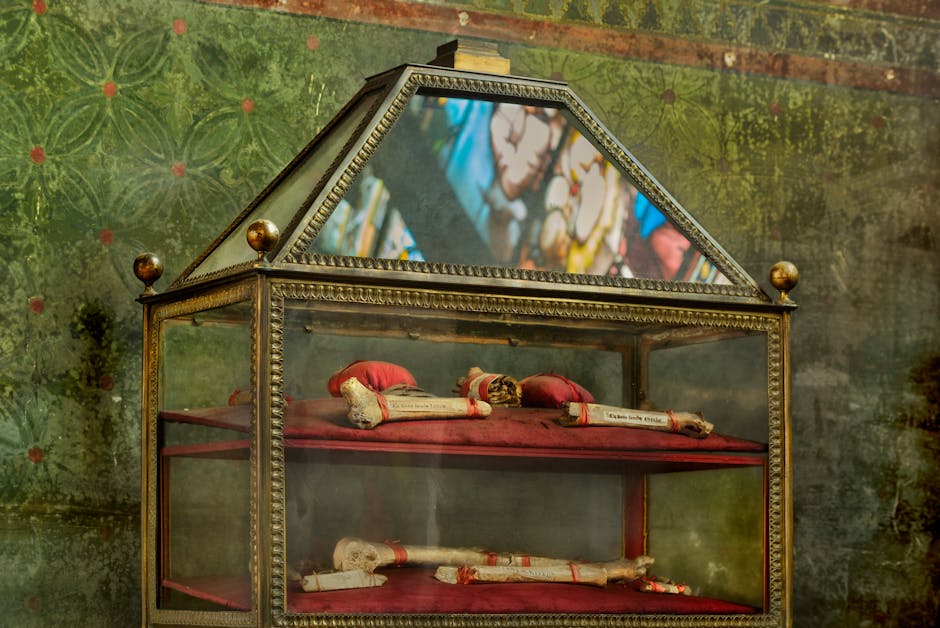
The sacristy collection includes:
- Gold and silver reliquaries from the 15th–16th centuries, often inlaid with precious stones and enamel.
- Hand-embroidered liturgical vestments (copes, dalmatics) with tags naming aristocratic donors.
- Illuminated manuscripts and rare books of hours kept in climate-controlled cases.
- An impressive set of tabernacles and censers, some originating from Sevillian and Flemish workshops.
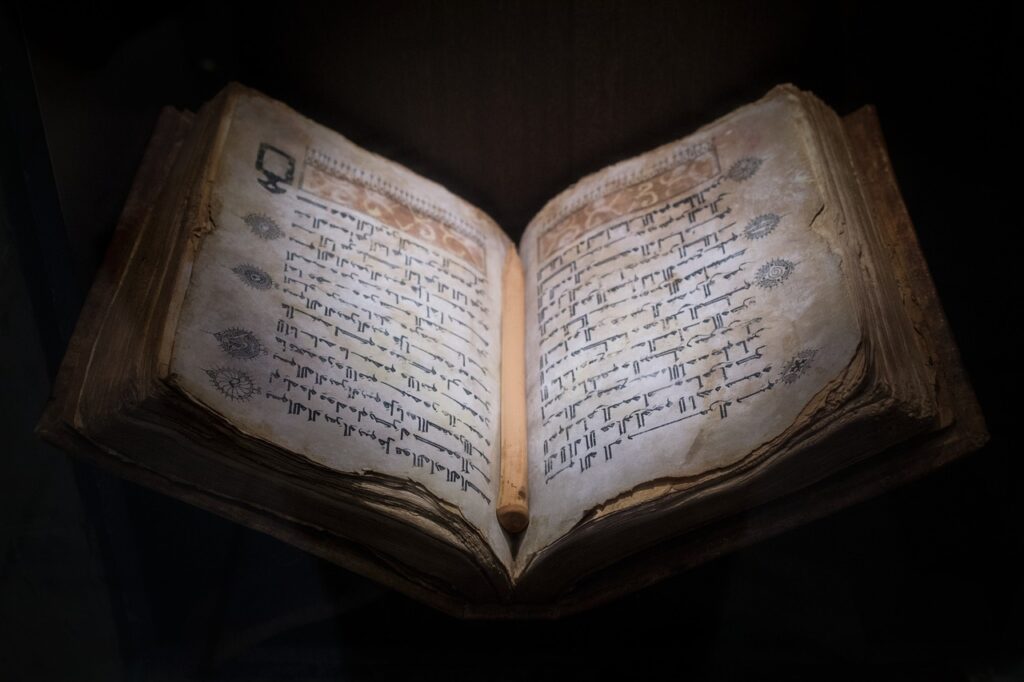
Price and access: sacristy access is included with the general ticket (~€10). Entry to rooms reserved for researchers (archives) requires a written request to the cathedral chapter and sometimes administrative fees. If you’re a researcher or archive enthusiast, contact the Archivo de la Catedral de Toledo through the chapter’s administration to request permission.
Local tips: the most fragile items are often displayed on rotation; if you’re coming specifically to see a reliquary or manuscript mentioned in a brochure, check its availability. Specialists recommend visiting the sacristy in the mid-morning (10:30–12:00) to avoid crowds and benefit from exhibition lighting. Also, respect the barriers and signage — some display cases are sensitive to temperature changes caused by too many close visitors.
4) Forgotten Treasures and Secret Routes: Where to Look, How to Access, Practical Advice
The cathedral’s “forgotten treasures” aren’t necessarily hidden—they’re simply off the beaten tourist routes. Here’s a curated list of elements and routes that require a bit of curiosity and patience:
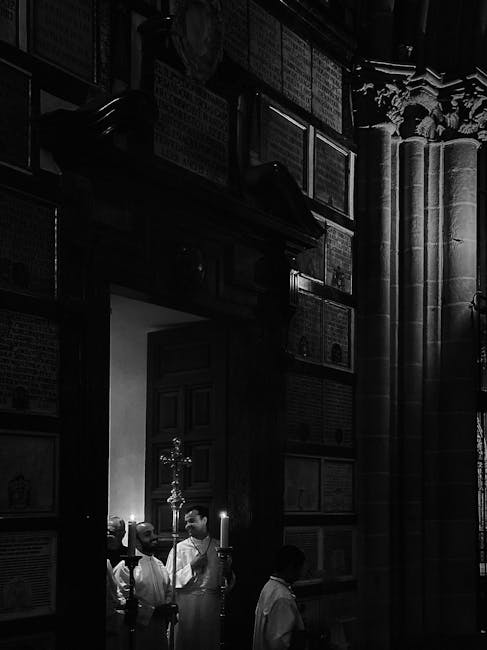
- Altarpiece in the Capilla del Sagrario: many visitors pass by without pausing. This chapel houses painted panels and a set of finely preserved Gothic sculptures.
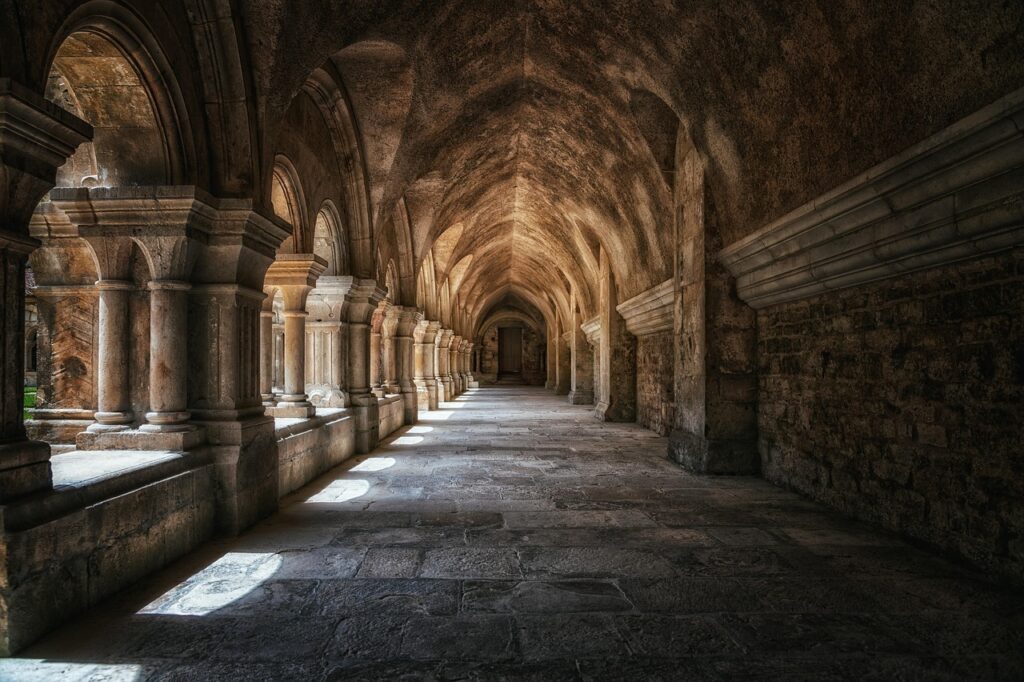
- Upper galleries and triforium: access is via narrow staircases; these galleries contain wall paintings and less-restored inscriptions, offering an almost private view over the nave.
- Chests and archive registers in the annexes: ask at reception if a quick consultation of inventories is possible — you’ll be surprised by the number of donation records and commemorative plaques.
Other lesser-known nearby sites:
- Museo del Greco — Plazoleta del Conde, 3, 45001 Toledo. Hours: typically 10:00–18:30. Price: ~€4–€6. The collection focuses on El Greco and helps place the cathedral’s religious paintings in Toledo’s artistic context.
- Synagogue of Santa María la Blanca — Calle de los Reyes Católicos, 4, 45002 Toledo. Hours: roughly 10:00–18:00. Price: ~€3–€5. A historic example of cultural coexistence.
- Monastery of San Juan de los Reyes — Calle de los Reyes Católicos, s/n, 45003 Toledo. Hours: around 10:00–17:30. Price: ~€3–€5. Late Gothic architecture with an ornate cloister.
Access and safety tips:
- If you want to visit the tower or the upper galleries, check with the ticket office first: these areas are sometimes closed for conservation or safety reasons.
- Avoid mass times (check the notice board at the entrance) if your aim is photography or an in-depth visit — some spaces may be off-limits to visitors during liturgies.
- For expert insight, consider a themed guided tour (Gothic art, sacred music, archives); local guides share anecdotes and occasional permissions to access normally closed areas.
Conclusion — Deepen the Discovery and Extend Your Toledo Experience
Visiting the Catedral Primada Santa María de Toledo unfolds in layers: from the initial wow of the nave and the Transparente, to the methodical curiosity sparked by sacristy pieces and secondary galleries. By allowing enough time (at least two hours) and planning your visit (online ticket, early morning or late-afternoon slot), you can turn a tourist stop into a true heritage exploration. The “forgotten treasures” are not just isolated objects — they’re fragments of history: family donations, historic restorations, changing liturgical uses — that tell the story of a plural city and a living cathedral.
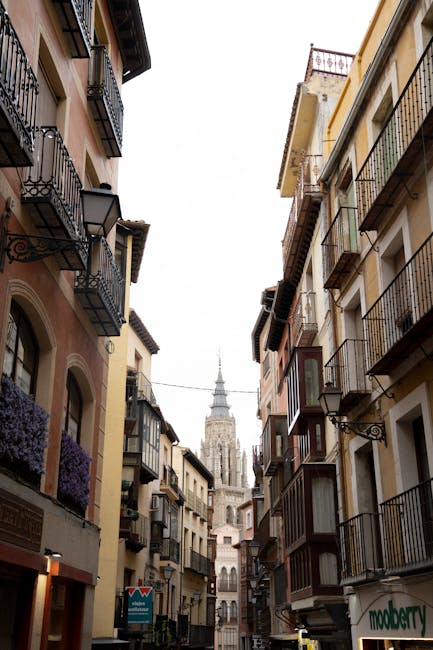
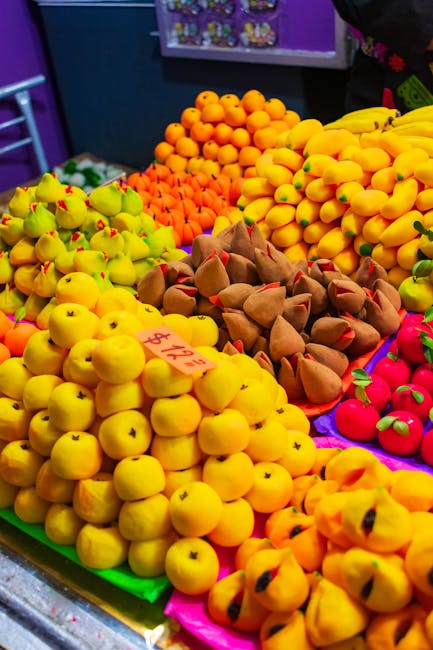
Extend your route: after the cathedral, lose yourself in the winding streets until you reach the Museo del Greco to place the religious paintings in the local artistic panorama, then head to the Synagogue of Santa María la Blanca and the Monastery of San Juan de los Reyes to feel the echoes of cultural coexistence. Food lovers should stop in a traditional tavern on Calle Comercio to try local mazapán (almond-based pastry); many small shops in the Jewish Quarter sell regional specialties.
Final practical tips: always keep a digital copy of your tickets and contact numbers (cathedral chapter), wear comfortable shoes (lots of cobbles), and respect the silence and photography rules set by staff. If you’re passionate about art or history, ask reception if it’s possible to consult a short inventory of displayed items — some remarkable objects aren’t listed on panels and are worth the search. And return at different times of day: the morning light, low-angle evening sun and night services each reveal a different face of the same cathedral.
Whether you’re a traveler short on time or a seasoned visitor, Toledo Cathedral rewards patience and curiosity. With this guide you can not only tick off the highlights but also uncover those hidden treasures that make the Toledo experience intimate, unique and deeply memorable.